Tired of uneven purees, endless manual mashing, or spending valuable time prepping ingredients? A high-quality food processor designed for pureeing can be the game-changer you need in your kitchen. From homemade baby food to velvety sauces and creamy dips, a puree food processor transforms raw ingredients into smooth, consistent textures with minimal effort. This comprehensive guide will help you understand the world of food processors, specifically focusing on their pureeing capabilities, so you can choose the perfect model and master the art of smooth purees for your culinary creations.
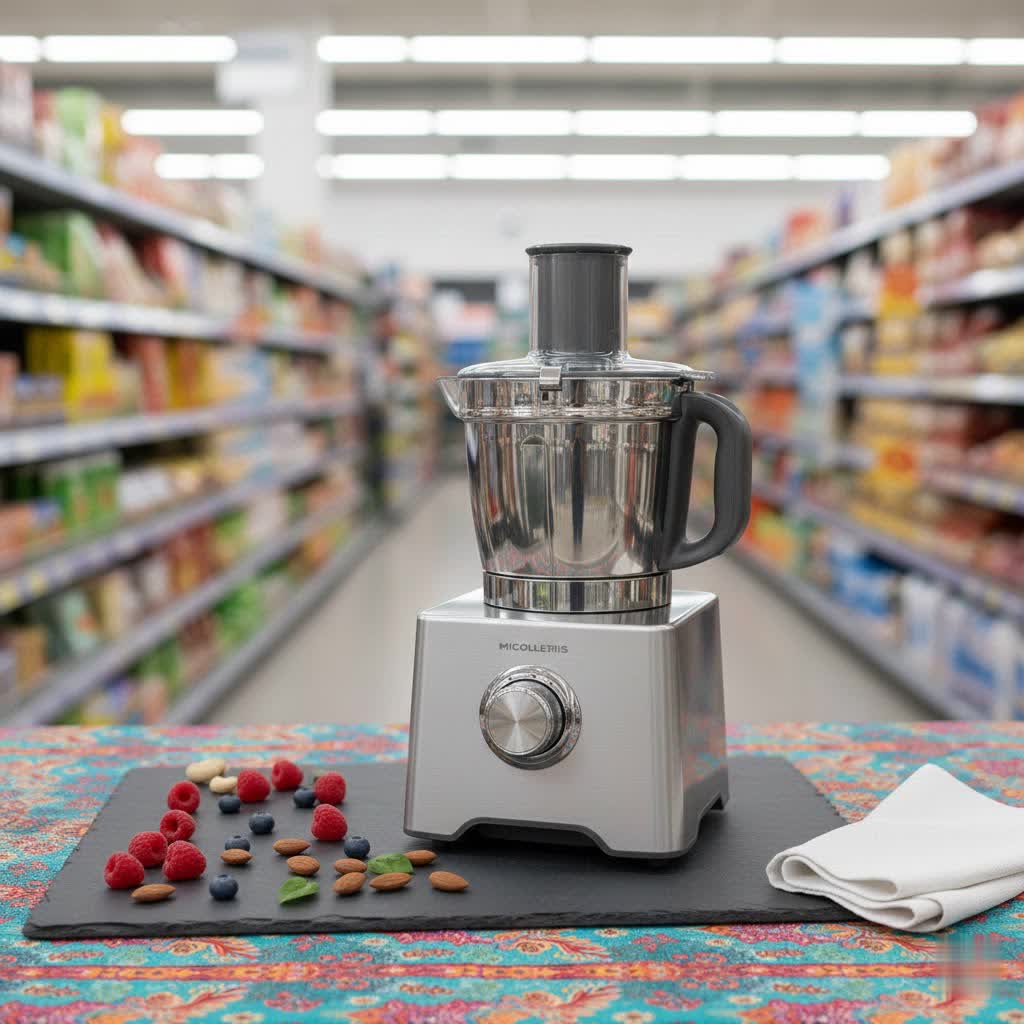
What is a Food Processor and Why Do You Need It for Pureeing?
A food processor is a versatile kitchen appliance equipped with various blades and discs that can chop, slice, shred, grate, mix, knead, grind, emulsify, and, crucially, puree ingredients. It’s designed to streamline tedious kitchen tasks, saving you significant time and effort. While many kitchen tools can perform some of these functions, a food processor excels at achieving a consistent, smooth texture, particularly for purees.
The primary advantage of using a food processor for pureeing lies in its power and efficiency. Unlike blenders, which often require a significant amount of liquid to create a vortex, a food processor’s S-blade design and powerful motor can process denser, semi-solid ingredients into a uniform puree without needing excessive added liquids. This makes it ideal for dishes where you want to concentrate flavor without diluting it.
You need a food processor for pureeing if you regularly prepare:
- Baby Food: Create fresh, nutritious purees from fruits, vegetables, and meats.
- Smooth Sauces: From marinara to pesto and salad dressings, achieve restaurant-quality consistency.
- Creamy Soups: Transform cooked vegetables into silky smooth soups like butternut squash or tomato.
- Dips and Spreads: Make hummus, guacamole, nut butters, and pâtés with ease.
- Fruit Purees: Perfect for desserts, cocktails, or adding to yogurts.
Popular Types of Food Processors for Pureeing
Food processors come in various sizes and with different feature sets, impacting their pureeing performance and suitability for different kitchen needs.
1. By Size/Capacity:
- Mini Food Processors (1-5 cups): These compact units are excellent for small-batch pureeing, such as making baby food, salad dressings, or small dips like pesto. They are easy to store but lack the power and capacity for larger tasks. For instance, the Hamilton Beach Stack & Snap 4-Cup Mini Food Processor is noted for its ability to pulverize and puree with surprising efficiency for its size.
- Compact/Mid-size Food Processors (6-9/10 cups): A good all-around choice for most home cooks, capable of handling daily tasks including many pureeing needs. The Ninja Professional Plus (9 cups) is a popular option in this category, known for its strong motor and unique double blades that help process larger quantities evenly.
- Full-size/Large Food Processors (10+ cups, typically 12-16 cups): Ideal for larger families, entertaining, or batch cooking. These models offer substantial power and capacity for pureeing large quantities of soup ingredients or making big batches of hummus. Examples include the Breville Sous Chef 16-Cup and Cuisinart Custom 14-Cup. While large, they often include smaller work bowls or attachments for processing smaller amounts.
2. By Functionality:
Most food processors come with a standard S-blade that is effective for pureeing. Some models, however, offer specialized attachments that enhance pureeing capabilities for specific types of food:
- Blender Attachments: Some food processors include a separate blender jug, specifically designed for pureeing and pouring liquids like soups and sauces. It’s essential to check if this attachment is heat-resistant if you plan to puree hot liquids.
- Multi-tiered Bowl Systems: Brands like Magimix offer nested bowls, allowing you to process different ingredients consecutively without cleaning between steps, which can be convenient when building complex purees.
Top Food Processor Brands for Exceptional Pureeing
When it comes to achieving smooth, consistent purees, certain brands and models consistently receive high marks for their performance, power, and thoughtful design. Here’s a comparison of some leading options:
| Brand/Model | Key Feature for Pureeing | Pros (Pureeing Focus) | Cons (General) |
|---|---|---|---|
| Magimix 4200XL | Powerful 950W motor, BlenderMix Ring | Excellent for smooth, creamy hummus and nut butter; fast; leak-proof | Expensive; heavy |
| Breville Sous Chef 16 Pro | 1200W/1450W motor, S-blade | Powerful, handles dense materials; good consistency | Very expensive; large footprint for storage |
| Cuisinart Custom 14 | 720W motor, S-blade | Velvety-smooth dips and spreads; great for applesauce; leak-resistant | No adjustable slicing/shredding without extra discs |
| Ninja Professional Plus | 1000W motor, unique double blades | Powerful, prevents uneven pureeing (top to bottom) | May not achieve the finest puree; larger bowl for small batches |
| Vitamix 12-Cup Attachment | Leverages Vitamix blender base | Pro at pureeing hummus and dips; fast nut butter | Requires existing Vitamix base; average chopping/shredding |
| Hamilton Beach 10-Cup | S-blade for pureeing | Inexpensive; great at pureeing dips and spreads; decent nut butter | Can leak with liquids; loud motor; mediocre mixing |
| KitchenAid 13-Cup | Multi-purpose blade | Effective for pesto and emulsified sauces; good speed control | Can be difficult to clean; 500W motor might be less powerful for tough jobs |
- Magimix 4200XL: This model consistently excels in pureeing tests, making “smooth, creamy hummus in less than a minute” and impressive nut butters in just three minutes thanks to its powerful 950-watt motor and “Blender Mix Ring” for full liquid containment.
- Breville Sous Chef Series: Praised for their powerful motors (e.g., 1200W for the 16 Pro, 1000W for the 12-cup), these processors deliver consistent results across various tasks, including pureeing. While the 16 Pro scored an 8.0 for pureeing, the overall performance makes it a top choice for serious home cooks.
- Cuisinart Custom 14-Cup: A long-time favorite, this 720-watt model is noted for producing “velvety-smooth dips and spreads” and quickly making applesauce. It’s also praised for its leak-resistant design, making it suitable for pureeing liquids.
- Ninja Professional Plus: With a 1000-watt motor and unique double blades, the Ninja is lauded for preventing the common issue where only the bottom portion of ingredients gets pureed, ensuring a more even result. While it might not produce the finest puree compared to some premium models, it offers excellent value.
- Vitamix 12-Cup Attachment: For those who already own a Vitamix blender, this attachment provides a cost-effective way to leverage Vitamix’s powerful motor for tasks like pureeing. It’s described as “pro at pureeing” and capable of making “buttery smooth hummus and dips” quickly.
Essential Factors for Choosing a Puree Food Processor (Buying Guide)
Selecting the right food processor for pureeing involves considering several key features to ensure it meets your specific culinary demands.
1. Motor Power (Wattage):
For smooth purees, a powerful motor is paramount. Higher wattage (generally 500 watts and above, with premium models reaching 950-1450 watts) ensures the blades can efficiently break down dense or fibrous ingredients without straining or overheating. While watts indicate motor size, induction motors are often preferred for their quieter operation and durability.
2. Bowl Capacity:
Match the bowl size to your typical batch size.
- Small (1-5 cups): Ideal for single servings, baby food, or small dips.
- Medium (6-9 cups): Versatile for most everyday cooking needs.
- Large (10+ cups): Best for preparing large meals, batch cooking, or pureeing big quantities of soup.
Keep in mind that for optimal pureeing, you should fill the bowl no more than two-thirds full to allow ingredients to circulate properly. Also, for smaller purees, a larger bowl can sometimes lead to uneven results if there aren’t enough ingredients to reach the blade effectively.
3. Blade Design:
The standard multi-purpose S-blade (often metal) is your go-to for pureeing. Its sharp edges and specific curvature are designed to continuously chop and blend ingredients into a smooth consistency. Some blades may have serrations, which can also be effective for certain foods like tomatoes.
4. Speed Settings & Pulse Function:
- Pulse Function: Crucial for initial breakdown of ingredients and for controlling the texture. Short pulses prevent over-processing and help achieve desired consistency.
- Continuous Run/Variable Speeds: Essential for achieving a truly silky smooth puree. Running the machine continuously allows the ingredients to break down fully and emulsify. Many models offer high and low settings, or even variable speeds, for fine-tuning your results.
5. Attachments & Accessories:
Some food processors come with attachments that can be particularly useful for pureeing:
- Mini Bowls/Chopper Attachments: Excellent for small purees like pesto or baby food, preventing ingredients from splattering in a large bowl.
- Blender Jars: If included, these are specifically designed for liquid-heavy purees like soups or smoothies, and often have leak-proof seals.
- Drizzle Basins/Feed Tubes: Allow you to slowly add liquids (like oil for mayonnaise or water for hummus) while the processor is running, resulting in smoother emulsions.
6. Material Quality & Durability:
Look for sturdy construction and BPA-free plastic bowls. A robust base ensures stability during operation, especially when processing dense ingredients. A longer warranty, particularly on the motor, can indicate greater durability and manufacturer confidence.
7. Ease of Cleaning:
Pureeing can sometimes be messy. Look for models with dishwasher-safe bowls, lids, and blades. Designs with fewer crevices or a simple assembly process will make hand-washing easier and safer.
Expert Tips for Using and Maintaining Your Puree Food Processor
To consistently achieve perfectly smooth purees and extend the life of your appliance, follow these expert tips:
1. Preparation is Key:
- Cut Ingredients Evenly: For the smoothest results, cut solid ingredients into roughly 1-inch pieces before adding them to the bowl. This ensures uniform processing and prevents larger chunks from being left behind.
- Don’t Overfill: Avoid filling the work bowl more than two-thirds full, especially when pureeing. Overfilling can strain the motor and lead to uneven textures. If you have a large batch, process in smaller quantities.
- For Small Batches: If you’re pureeing a very small amount, such as a single serving of baby food or a small dip, consider using a mini food processor attachment if your model has one, or a smaller work bowl. This ensures the blade can effectively engage with all the ingredients.
2. Achieving the Perfect Puree:
- Start with Pulses: Begin by using the pulse function in short bursts to break down larger pieces. This helps prevent ingredients from getting stuck and gives you control over the initial consistency.
- Switch to Continuous Run: Once the ingredients are roughly chopped, switch to a continuous “on” setting for a truly smooth puree. The longer you process, the smoother the consistency will become.
- Scrape Down the Sides: Periodically stop the processor and scrape down the sides of the bowl with a spatula. Ingredients can stick to the sides, leading to uneven results if not pushed back into the path of the blade.
- Add Liquids Gradually: If your recipe requires liquids (e.g., oil for mayonnaise, broth for soup), add them slowly through the feed tube while the machine is running. This helps emulsify the mixture and achieve a uniform texture.
3. Handling Liquids & Hot Ingredients:
- Leak Test: Some food processors are better at containing liquids than others. High-quality models like the Magimix and Cuisinart Custom 14 are known for their leak-proof seals. If your model tends to leak, be cautious with very liquidy purees.
- Heat Resistance: If pureeing hot soups or sauces, ensure your food processor’s bowl and any attachments are specifically rated as heat-resistant. Non-heat-resistant plastic can warp or break. Allow extremely hot ingredients to cool slightly before processing, or opt for a dedicated heat-resistant blender attachment if available.
4. Safety First:
- Lock the Lid: Always ensure the work bowl and lid are securely locked in place before operating the food processor. Many models have safety interlock systems that prevent the motor from running if not properly assembled.
- Handle Blades with Care: Food processor blades are extremely sharp. Always handle them by the central plastic hub and exercise caution during assembly, disassembly, and cleaning.
5. Cleaning & Storage:
- Clean Immediately: For easier cleanup, wash parts promptly after use. Food residue can dry and become harder to remove.
- Dishwasher-Safe Parts: Many food processor bowls, lids, and blades are top-rack dishwasher safe. Always check your manufacturer’s instructions for specific care.
- Store Attachments Safely: Food processors often come with storage solutions for blades and discs, such as caddies or in-bowl storage. This protects the sharp edges and keeps your kitchen organized.
Conclusion
A puree food processor is an indispensable tool for any home chef looking to elevate their cooking with consistent, smooth textures. By understanding the core functions, types, and essential buying considerations – from motor power and capacity to blade design and ease of cleaning – you can select a model that perfectly suits your culinary ambitions. Mastering the techniques of proper ingredient preparation, controlled pulsing, and gradual liquid addition will empower you to create everything from wholesome baby food to sophisticated sauces and dips with effortless precision. Invest in a quality puree food processor, and unlock a world of creamy, dreamy possibilities in your kitchen. What will be the first silky smooth creation you whip up?
Frequently Asked Questions
Can I puree hot soup in a food processor?
|
Our Picks for the Best Food Processor in 2026
As an Amazon Associate I earn from qualifying purchases.
|
||
| Num | Product | Action |
|---|---|---|
| 1 | GANIZA Food Processors, Electric Food Chopper with Meat Grinder & Vegetable Chopper - 2 Bowls (8 Cup+8 Cup) with Powerful 450W Copper Motor - Includes 2 Sets of Bi-Level Blades for Fruits/Meat/Nuts |

|
| 2 | SPZTJK 3-Speed Electric Food Processor: Meat Grinder, Vegetable Chopper & Baby Food Maker - 300W, 2 Bowls (8 Cup Stainless Steel+8 Cup Glass), Quiet Operation |
|
| 3 | Cuisinart Food Processor, 14-Cup Vegetable Food Chopper for Mincing, Dicing, Shredding, Puree & Kneading Dough, 720-Watt Motor, Stainless Steel, DFP-14BCNY |
|
| 4 | BLACK+DECKER 3-in-1 Easy Assembly 8-Cup Food Processor, Stainless Steel S-Blade, Easy-Clean, Touchpad Controls Black |
|
| 5 | Hamilton Beach Electric Vegetable Chopper & Mini Food Processor, 3-Cup, 350 Watts, for Dicing, Mincing, and Puree, Black (72850) |
|
| 6 | Inequalit Electric Vegetables Slicer Cheese Shredder, 5-in-1 250W Professional Automatic Salad Fruits Maker Shooter Chopper Machine Kitchen Cutter Grater Food Processor with 5 Different Blades |
|
| 7 | KitchenAid 7-Cup Food Processor - KFP0718 |
|
| 8 | BLACK+DECKER 8-Cup Food Processor, Easy Assembly, Stainless Steel S-Blade, Shred, Slice, Chop, Puree, 450W Motor |
|
| 9 | Ninja Food Processor, Professional Plus, 1000 Peak Watts, 4 Functions for Chopping, Slicing, Purees & Dough with 9-Cup Processor Bowl, 3 Blades, Food Chute & Pusher, Silver, BN601 |
|
| 10 | Hamilton Beach Food Processor & Vegetable Chopper for Slicing, Shredding, Mincing, and Puree, 10 Cups + Easy Clean Bowl Scraper, Black and Stainless Steel (70730) |
|
Yes, you can puree hot soup in a food processor, but with caution. Ensure your food processor’s bowl and lid are heat-resistant. To prevent pressure buildup and potential spills, fill the bowl only halfway, remove the small cap from the feed tube (if applicable) to allow steam to escape, and cover the opening with a kitchen towel. Process in batches to avoid overfilling and reduce strain on the appliance.
What’s the difference between pureeing in a food processor and a blender?
Food processors generally excel at pureeing thicker, semi-solid ingredients with less added liquid, producing a thicker, sometimes slightly textured puree. Blenders, especially high-speed models, are designed to create ultra-smooth, liquid-based purees or smoothies because their powerful motors and blade design create a strong vortex that pulls ingredients down. For very thick purees like hummus, a food processor is often preferred, while for thin soups or fruit smoothies, a blender might yield a smoother result.
How much liquid should I add when pureeing?
The amount of liquid depends on the desired consistency. Start with a minimal amount, usually a tablespoon or two, if your ingredients are somewhat dry. Add more liquid gradually, one tablespoon at a time, until you reach your preferred smoothness. Adding liquid slowly through the feed tube while the processor is running helps achieve better emulsification and a consistent texture.
Can a mini food processor handle pureeing?
Yes, a mini food processor can handle pureeing, especially for small batches. They are ideal for making baby food, pesto, salad dressings, or small dips. However, their smaller motors and capacities mean they may struggle with larger quantities or very dense ingredients that a full-sized food processor could handle more easily. For optimal results, use mini processors for tasks suited to their size.
How do I get a perfectly smooth puree without chunks?
To achieve a perfectly smooth puree, ensure your ingredients are cut into uniform, small pieces (around 1-inch) before processing. Do not overfill the bowl. Start with the pulse function to break down larger chunks, then switch to a continuous setting. Scrape down the sides of the bowl frequently to ensure all ingredients are incorporated. For extra smoothness, you can add a small amount of liquid, and process for a longer duration until no chunks remain.
