Tired of a cluttered kitchen counter with multiple appliances vying for space? You’re not alone. Many home cooks face the challenge of maximizing functionality in a limited area. The good news is that the best blender food processor combos offer a powerful, versatile solution, consolidating two essential kitchen tools into one dynamic machine. Imagine effortlessly switching from blending a silky-smooth breakfast smoothie to chopping vegetables for dinner, all with a single base. This comprehensive guide will explore everything you need to know to choose the perfect dual-purpose appliance to revolutionize your cooking experience.
What is a Blender Food Processor Combo and Why Do You Need One?
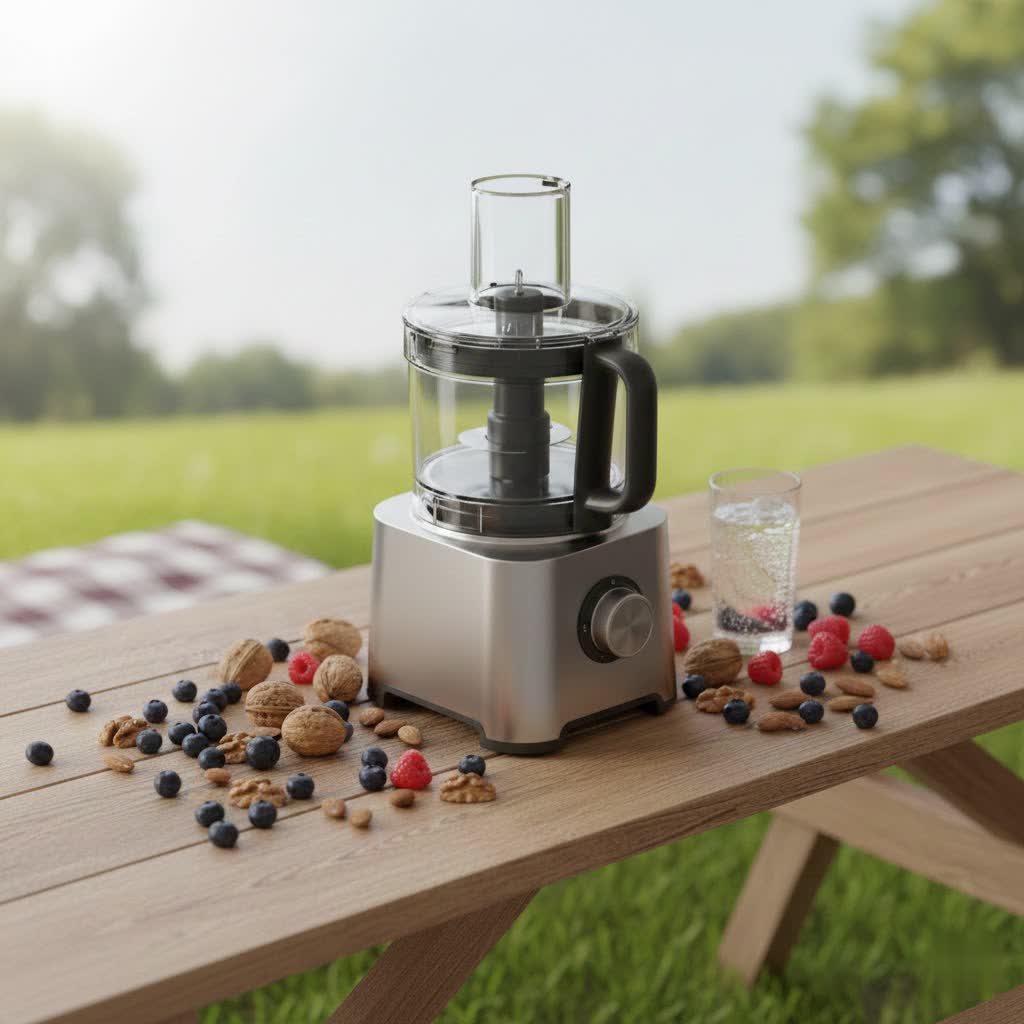
A blender food processor combo is an innovative kitchen appliance designed to perform the functions of both a standalone blender and a food processor. Typically, these units feature a single motor base that interchangeably powers different attachments: a tall pitcher for blending and a wider bowl with various blades for food processing.
The primary benefit of integrating these two tools is immense space-saving. Instead of dedicating valuable counter or cabinet space to separate machines, you get two-in-one efficiency. Beyond decluttering, these combos also offer significant cost savings, as purchasing a single versatile unit is generally more economical than buying a high-quality blender and food processor separately. They bring unparalleled versatility to your kitchen, allowing you to tackle a wide array of culinary tasks. From blending nutritious smoothies and creamy soups to chopping vegetables, grinding nuts, kneading dough, and creating savory dips and sauces, a combo unit streamlines your prep work and enhances your daily cooking routine.
Understanding the Different Types of Blender Food Processor Combos
While all blender food processor combos aim to offer dual functionality, they come in several configurations designed to suit different kitchen needs and preferences. Understanding these types can help you pinpoint the best fit for your home.
One common design features a single motor base with interchangeable attachments. This is the most popular type, where you swap a blender pitcher for a food processor bowl, often along with specialized blades and discs. This design is highly efficient for space and typically boasts a powerful motor to handle both blending and processing tasks. Some advanced models even include smaller single-serve cups for quick blends.
Another variation involves systems with dedicated jars but a shared motor design. In these setups, the appliance might come with a full-size blender pitcher and a distinct food processor bowl, each with its own blade system, but both powered by the same central motor unit. This design ensures optimal performance for each function, as the containers and blades are specifically tailored.
Combos can also be categorized by their size and capacity. You’ll find compact units ideal for smaller kitchens or single users, offering basic blending and chopping capabilities. On the other end, full-size professional-grade systems cater to larger families or serious home cooks, providing ample capacity for big batches and a wider range of accessories like slicing and shredding discs.
Lastly, some immersion blenders come with food chopper attachments, offering a more compact, handheld approach to dual functionality, albeit with generally lower capacity and power compared to countertop models.
Key Factors to Consider When Buying a Blender Food Processor Combo
Choosing the right blender food processor combo requires careful consideration of several factors to ensure it meets your specific culinary demands and kitchen environment.
Power/Wattage
|
Our Picks for the Best Food Processor in 2026
As an Amazon Associate I earn from qualifying purchases.
|
||
| Num | Product | Action |
|---|---|---|
| 1 | SPZTJK 3-Speed Electric Food Processor: Meat Grinder, Vegetable Chopper & Baby Food Maker - 300W, 2 Bowls (8 Cup Stainless Steel+8 Cup Glass), Quiet Operation |

|
| 2 | Inequalit Electric Vegetables Slicer Cheese Shredder, 5-in-1 250W Professional Automatic Salad Fruits Maker Shooter Chopper Machine Kitchen Cutter Grater Food Processor with 5 Different Blades |
|
| 3 | Cuisinart Food Processor, 14-Cup Vegetable Food Chopper for Mincing, Dicing, Shredding, Puree & Kneading Dough, 720-Watt Motor, Stainless Steel, DFP-14BCNY |
|
| 4 | BLACK+DECKER 3-in-1 Easy Assembly 8-Cup Food Processor, Stainless Steel S-Blade, Easy-Clean, Touchpad Controls Black |
|
| 5 | KitchenAid 7-Cup Food Processor - KFP0718 |
|
| 6 | BLACK+DECKER 8-Cup Food Processor, Easy Assembly, Stainless Steel S-Blade, Shred, Slice, Chop, Puree, 450W Motor |
|
| 7 | Hamilton Beach Food Processor & Vegetable Chopper for Slicing, Shredding, Mincing, and Puree, 10 Cups + Easy Clean Bowl Scraper, Black and Stainless Steel (70730) |
|
| 8 | Hamilton Beach Electric Vegetable Chopper & Mini Food Processor, 3-Cup, 350 Watts, for Dicing, Mincing, and Puree, Black (72850) |
|
| 9 | Ninja Food Processor, Professional Plus, 1000 Peak Watts, 4 Functions for Chopping, Slicing, Purees & Dough with 9-Cup Processor Bowl, 3 Blades, Food Chute & Pusher, Silver, BN601 |
|
| 10 | GANIZA Food Processors, Electric Food Chopper with Meat Grinder & Vegetable Chopper - 2 Bowls (8 Cup+8 Cup) with Powerful 450W Copper Motor - Includes 2 Sets of Bi-Level Blades for Fruits/Meat/Nuts |
|
The motor’s power, measured in watts, is crucial for performance. For a combo unit to effectively handle both blending and processing, especially tough ingredients like ice, frozen fruits, or dense doughs, look for models with at least 1000 watts. Higher wattage, often in the 1200W to 1500W range, indicates a more robust motor capable of powering through challenging tasks without straining.
Capacity
Consider the capacity of both the blender pitcher and the food processor bowl. Blender pitchers typically range from 48 to 72 ounces, while food processor bowls can be anywhere from 8 to 14 cups. If you cook for a large family or frequently prepare big batches, larger capacities will be beneficial. Conversely, smaller households or those with limited storage might prefer more compact options, sometimes including single-serve cups.
Attachments & Blades
The versatility of a combo unit heavily depends on its attachments. Essential blades include the S-blade for chopping, pureeing, and mixing in the food processor. Look for models that also offer slicing and shredding discs for vegetables, a dough blade for baking, and sometimes a whisk attachment. For blenders, multi-level blades can improve blending consistency.
Settings & Controls
Modern combo units offer a range of settings. Multiple speed options provide precise control over texture, while a pulse function is indispensable for quick bursts of power and achieving chunky results. Advanced features like Auto-IQ technology can automatically adjust blending or processing cycles for optimal results with specific tasks.
Material & Durability
Prioritize durable, food-safe materials. Blender pitchers and food processor bowls are often made from BPA-free plastic or glass. Glass jars offer scratch resistance and don’t absorb odors, though they are heavier. Stainless steel blades are a standard for durability and efficiency. A sturdy, stable base is also important to prevent movement during operation.
Ease of Cleaning
Kitchen appliances should simplify your life, not complicate it with difficult cleanup. Look for models with dishwasher-safe components, especially the bowls, pitchers, and blades. Ensure the motor base can be easily wiped clean with a damp cloth, as it should never be submerged in water.
Noise Level
While powerful motors can be noisy, some manufacturers design models with noise reduction in mind. If you live in an apartment or have early risers/late sleepers, a quieter operation might be a significant factor.
Safety Features
Safety is paramount, especially when dealing with powerful blades and hot liquids. Look for features like secure locking mechanisms for pitchers and bowls, overload protection for the motor, and vented lids for blending hot ingredients.
Top-Rated Blender Food Processor Combos on the Market
Navigating the market for the ideal blender food processor combo can be daunting, but certain models consistently receive high praise for their performance, versatility, and user-friendly features. Here are some of the standout options:
| Model/Brand | Power (Wattage) | Blender Capacity | Food Processor Capacity | Key Features | Pros | Cons |
|---|---|---|---|---|---|---|
| Ninja Professional Plus Kitchen System with Auto-IQ | 1400-1600W (Peak) | 72 oz. Pitcher, 24 oz. Single-Serve Cups | 64 oz. (8-cup) Bowl | Auto-IQ programs, multi-stacked blades, dough blade, slicing/shredding disc. | Excellent for large batches, handles tough ingredients well, good value, comprehensive accessories. | Can be bulky, some users find it noisy. |
| Vitamix Ascent Series (with Food Processor Attachment) | 1000-1500W | Varies (e.g., 64 oz.) | 12-cup (with attachment) | SELF-DETECT technology, variable speed control, pulse, gourmet pre-sets. | Exceptional blending performance, high durability, precise processing with attachment. | Higher price point, food processor attachment is often sold separately, attachment can be large. |
| Nutribullet Triple Prep System | 1500W | Full-size blending, single-serve cups | 7-cup Bowl | Vessel recognition, multiple functions, compact design. | Great for smaller kitchens, powerful for its size, intuitive controls. | Food processor bowl might be smaller than desired for very large tasks, can struggle with grating. |
| Cuisinart Duet Blender/Food Processor | 700W | 40 oz. Glass Jar | 3-cup Chopper | Classic button controls, simple operation. | Reliable for basic tasks, compact, often more affordable. | Lower wattage limits heavy-duty tasks, smaller food processor capacity. |
| Magimix 5200XL (primarily FP with blending) | 950W | Blending blade attachment | 14-cup Bowl | Robust motor, multiple bowls, high durability, BlenderMix ring. | Excellent food processing capabilities, very durable, versatile for a food processor. | Primarily a food processor, blending can be less refined than dedicated blenders, high cost. |
Please note that product specifications and availability may vary. Always check the latest details before making a purchase.
Mastering Your Combo: Tips for Use and Maintenance
To get the most out of your blender food processor combo and ensure its longevity, proper usage and consistent maintenance are key.
Optimal Usage
Understanding when to use the blender versus the food processor function is crucial. Use the blender pitcher for liquids, such as smoothies, pureed soups, sauces, and frozen drinks. Its tall, narrow design and high-speed blades create a vortex that draws ingredients down for exceptionally smooth results. The food processor bowl, with its wider base and S-shaped blades, is ideal for tasks requiring more texture or precise cutting. This includes chopping vegetables, grinding nuts, shredding cheese, slicing fruits, and kneading dough. Avoid overfilling either container, as this can strain the motor and lead to inconsistent results. Always ensure the lid is securely locked before operating to prevent spills and ensure safety.
Cleaning & Care
Proper cleaning immediately after each use prevents food particles from drying and becoming difficult to remove. Disassemble all removable parts—bowls, pitchers, blades, and lids—and wash them with warm, soapy water. Many components are dishwasher-safe (check your manual for top-rack suitability). For the motor base, which should never be submerged in water, simply wipe it down with a damp cloth. Pay special attention to the blades; use a soft brush to clean around them carefully to avoid injury and ensure all residue is removed.
Common Mistakes to Avoid
- Overfilling: This can lead to inefficient processing and potential motor damage. Respect the maximum fill lines.
- Using the Wrong Blade: Ensure you’re using the appropriate blade (e.g., S-blade for chopping, slicing disc for slicing) for the task to achieve desired results and avoid damaging the machine.
- Skipping Ingredient Preparation: Large, tough ingredients should be cut into smaller pieces before processing to ensure even results and ease the load on the motor.
- Ignoring Safety Precautions: Always ensure attachments are securely locked and never put your hands into the appliance when it’s plugged in.
- Improper Cleaning: Neglecting immediate cleaning can lead to stubborn residue, bacterial growth, and shortened appliance lifespan. Always dry parts completely before reassembly to prevent mold.
“A quality blender food processor combo is a true workhorse, but its lifespan and performance depend heavily on how you treat it. Regular cleaning and understanding its capabilities are crucial.” – Amara Garcia, Kitchen Appliance Expert at Blender Junkie
Conclusion
A well-chosen blender food processor combo is an invaluable asset to any kitchen, especially for those prioritizing space, efficiency, and versatility. By combining the power to create silky smoothies and robust soups with the precision to chop, slice, and shred, these multi-functional appliances empower you to tackle a diverse range of culinary tasks with ease. From the robust Ninja systems perfect for large families to the high-performance Vitamix with its clever attachments, there’s a combo designed to fit every need and budget. Considering factors like wattage, capacity, attachments, and ease of cleaning will guide you to a model that not only declutters your countertop but also elevates your cooking experience. Are you ready to streamline your kitchen and unlock a world of culinary possibilities?
Frequently Asked Questions
Can a blender food processor combo replace separate dedicated appliances entirely?
While a combo unit offers excellent versatility and convenience, dedicated blenders and food processors sometimes outperform combo units in specific, heavy-duty tasks like producing exceptionally velvety smoothies or perfectly uniform large-batch vegetable chunks. However, for most home cooks, a high-quality combo provides more than sufficient performance.
What wattage is best for a blender food processor combo?
For optimal performance across both blending and food processing, especially when dealing with tough ingredients, a wattage of 1000W or higher is generally recommended. Many top-rated models fall within the 1000W-1500W range, ensuring efficient and powerful operation.
How do I clean the blades and attachments of my combo unit safely?
Always unplug the appliance before cleaning. Disassemble all removable parts, including blades and attachments, and wash them with warm, soapy water. Use a brush for intricate areas. Many parts are dishwasher-safe (top rack). Never submerge the motor base; wipe it clean with a damp cloth.
What are the main advantages of a combo unit over separate appliances?
The primary advantages are significant space-saving on your kitchen counter and shelves, and cost-effectiveness compared to purchasing two high-quality individual appliances. Combo units also offer enhanced convenience by allowing you to switch between blending and processing tasks quickly and easily with a single motor base.
Can I make dough in a blender food processor combo?
Yes, many blender food processor combos come with a specialized dough blade or attachment that allows you to knead dough for breads, pizzas, and pastries. This feature significantly expands the culinary capabilities of the appliance beyond just blending and chopping.
