In the dynamic world of culinary arts, having the right tools can transform your cooking experience from a chore into a joy. For home cooks and seasoned chefs alike, the question often arises: do I need a dedicated meat grinder, or can my versatile food processor handle the task of grinding meat? As an expert with over a decade in the food processor arena, I understand the nuances of these powerful kitchen appliances. This article will delve into the capabilities of food processors for grinding meat, compare them to traditional meat grinders, and guide you in choosing the optimal solution for your kitchen.
What is a Food Processor and Why You Might Need One?
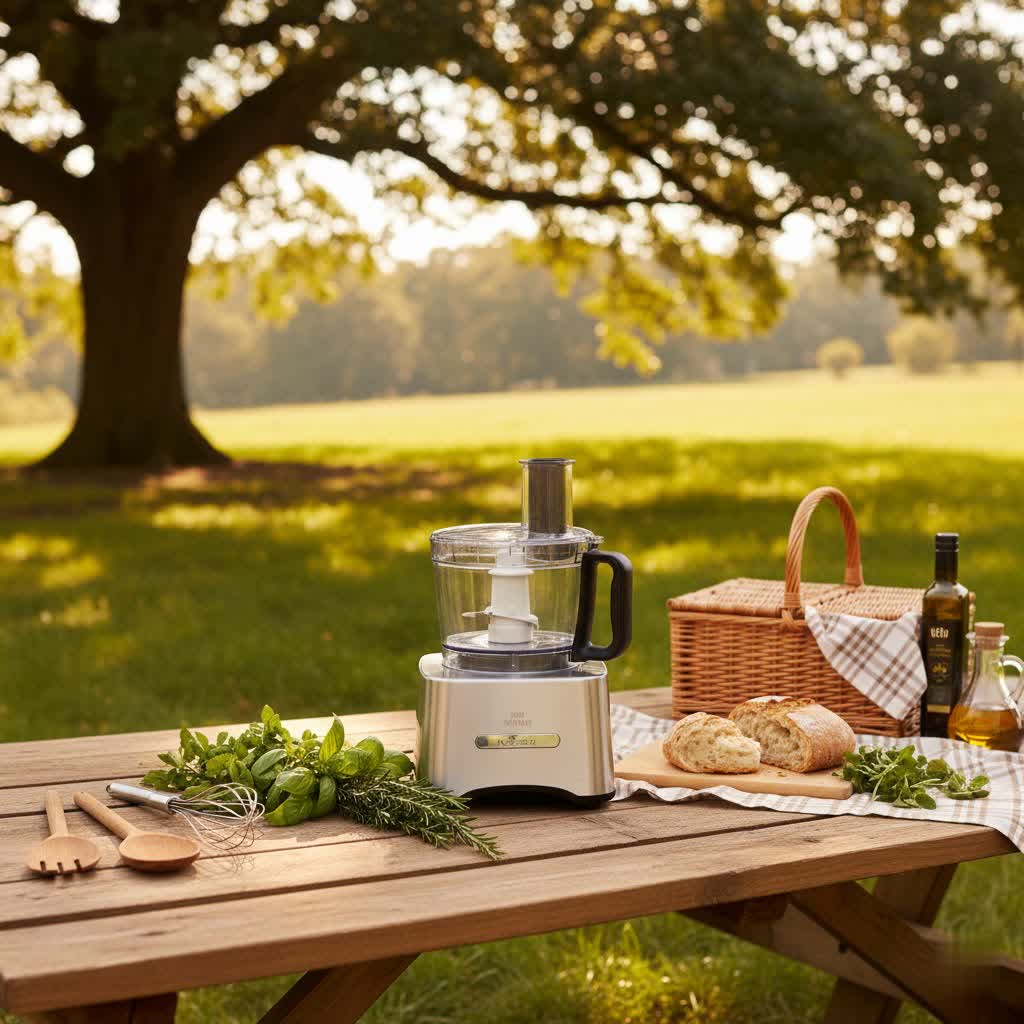
A food processor is a multi-functional kitchen appliance designed to streamline various food preparation tasks. At its core, it features a motor base, a work bowl, and a set of interchangeable blades and discs. This ingenious device excels at chopping, slicing, shredding, pureeing, mixing, and kneading, dramatically reducing prep time for countless recipes. From creating silky smooth hummus and vibrant salsas to finely dicing vegetables for a stir-fry or kneading dough for homemade bread, a food processor is an invaluable sous chef that simplifies complex culinary processes, making daily cooking more efficient and enjoyable. Its ability to perform multiple functions means it can replace several single-purpose gadgets, saving precious counter space and reducing clutter.
Can a Food Processor Grind Meat? Understanding its Capabilities
The short answer is yes, a food processor can grind meat, but it comes with specific considerations. While not purpose-built like a dedicated meat grinder, many food processors are capable of mincing or finely chopping various types of meat, such as beef, pork, chicken, and even fish. They achieve this by rapidly rotating sharp S-blades, breaking down meat fibers into smaller pieces. This functionality is particularly useful for preparing small batches of ground meat for dishes like meatballs, homemade burgers, meatloaf, or taco fillings, offering you control over the freshness and specific cuts of meat used. However, it’s crucial to understand that the texture achieved by a food processor will typically be more like a fine chop or mince rather than the uniform, extruded strands produced by a traditional meat grinder. Over-processing in a food processor can lead to a pasty or mushy consistency, which might not be ideal for all recipes.
Food Processor vs. Dedicated Meat Grinder: A Head-to-Head Comparison
Deciding between a food processor and a dedicated meat grinder hinges on your primary needs and culinary habits. Each appliance brings distinct strengths and limitations to the table when it comes to processing meat.
Functionality and Purpose
|
Our Picks for the Best Food Processor in 2026
As an Amazon Associate I earn from qualifying purchases.
|
||
| Num | Product | Action |
|---|---|---|
| 1 | SPZTJK 3-Speed Electric Food Processor: Meat Grinder, Vegetable Chopper & Baby Food Maker - 300W, 2 Bowls (8 Cup Stainless Steel+8 Cup Glass), Quiet Operation |

|
| 2 | Hamilton Beach Food Processor & Vegetable Chopper for Slicing, Shredding, Mincing, and Puree, 10 Cups + Easy Clean Bowl Scraper, Black and Stainless Steel (70730) |
|
| 3 | Inequalit Electric Vegetables Slicer Cheese Shredder, 5-in-1 250W Professional Automatic Salad Fruits Maker Shooter Chopper Machine Kitchen Cutter Grater Food Processor with 5 Different Blades |
|
| 4 | Cuisinart Food Processor, 14-Cup Vegetable Food Chopper for Mincing, Dicing, Shredding, Puree & Kneading Dough, 720-Watt Motor, Stainless Steel, DFP-14BCNY |
|
| 5 | BLACK+DECKER 3-in-1 Easy Assembly 8-Cup Food Processor, Stainless Steel S-Blade, Easy-Clean, Touchpad Controls Black |
|
| 6 | KitchenAid 7-Cup Food Processor - KFP0718 |
|
| 7 | Ninja Food Processor, Professional Plus, 1000 Peak Watts, 4 Functions for Chopping, Slicing, Purees & Dough with 9-Cup Processor Bowl, 3 Blades, Food Chute & Pusher, Silver, BN601 |
|
| 8 | BLACK+DECKER 8-Cup Food Processor, Easy Assembly, Stainless Steel S-Blade, Shred, Slice, Chop, Puree, 450W Motor |
|
| 9 | GANIZA Food Processors, Electric Food Chopper with Meat Grinder & Vegetable Chopper - 2 Bowls (8 Cup+8 Cup) with Powerful 450W Copper Motor - Includes 2 Sets of Bi-Level Blades for Fruits/Meat/Nuts |
|
| 10 | Hamilton Beach Electric Vegetable Chopper & Mini Food Processor, 3-Cup, 350 Watts, for Dicing, Mincing, and Puree, Black (72850) |
|
A food processor is a general-purpose workhorse, excelling at a wide array of tasks beyond meat, including chopping vegetables, pureeing sauces, shredding cheese, and mixing dough. Its design prioritizes versatility. In contrast, a meat grinder is a specialized tool, meticulously engineered for one primary function: grinding meat. Its design focuses on efficiently processing various cuts into consistent textures.
Texture and Consistency
This is arguably the most significant differentiator. A dedicated meat grinder uses an auger to push meat through a die plate, resulting in a uniform, even grind—whether coarse, medium, or fine—that’s perfect for sausages, precise burger blends, or pâtés. A food processor, on the other hand, chops meat with spinning blades. While it can produce a finely minced texture, it often results in a less consistent product, with some pieces finer than others, and a higher risk of turning the meat into an undesirable paste if over-processed.
Power and Efficiency
Meat grinders typically boast more powerful motors and robust gears designed to handle tough cuts of meat and large quantities without strain or overheating. They are built for endurance and efficiency in repetitive grinding tasks. Food processors generally have less powerful motors in comparison. Using them for large amounts of tough meat can strain the motor and generate heat, which can negatively impact the quality and texture of the ground meat.
Versatility
The food processor is the undisputed champion of versatility, capable of tackling nearly any food prep task imaginable. A meat grinder, while exceptional at its core function, is limited to meat and similar ingredients that can be pushed through its mechanism, such as vegetables for certain sauces or even bread crumbs.
Attachments
Most food processors come with a standard S-blade for chopping and various discs for slicing and shredding. Some multi-functional models may offer specific attachments for tasks like juicing or dicing, but dedicated meat grinding plates are rare. Meat grinders, by design, include multiple grinding plates (dies) of different sizes, allowing you to choose the exact coarseness of your grind.
Cost and Space
If meat grinding is an occasional necessity rather than a frequent endeavor, a food processor offers a more cost-effective and space-saving solution by consolidating multiple kitchen tasks into one appliance. Investing in a separate meat grinder is typically justified for those who frequently grind large quantities of meat, make homemade sausages, or demand absolute precision in meat texture.
How to Grind Meat Safely and Effectively in a Food Processor
To achieve the best results when grinding meat in a food processor, and to ensure food safety, follow these essential steps:
Preparation is Key
Start with well-chilled meat. Cut your desired cut of meat into 1-inch cubes, trimming any excess fat, gristle, or sinew that could tangle in the blades. For optimal results, place the meat cubes, along with the food processor bowl and its S-blade, in the freezer for 20-30 minutes before processing. This chilling step is crucial as it helps the blades make clean cuts, prevents the meat from becoming warm (which can affect texture and promote bacterial growth), and minimizes the risk of a pasty outcome.
The Pulsing Technique
Avoid continuous processing. Instead, use the pulse function in short bursts, typically 8 to 10 one-second pulses. After each set of pulses, check the meat’s consistency. You want a coarsely ground texture, not a smooth paste. Pulsing gives you greater control, allowing you to stop as soon as the desired texture is achieved and preventing over-processing that can make meat tough when cooked.
Batch Control
Never overload your food processor. Process the meat in small batches, filling the work bowl no more than halfway. Overfilling can strain the motor, lead to uneven grinding, and increase heat buildup. Working in smaller quantities ensures consistent results and extends the life of your appliance.
Hygiene and Cleanup
Raw meat can harbor bacteria, so rigorous hygiene is paramount. Thoroughly clean all food processor components that came into contact with meat immediately after use. Disassemble the parts, rinse off any meat residue, and wash them with hot, soapy water. Many parts are dishwasher-safe, but always check the manufacturer’s instructions. Ensure all surfaces are completely dry before storing to prevent bacterial growth.
Top Food Processors with Meat Grinding Potential
While dedicated meat grinders exist, many high-quality food processors, celebrated for their powerful motors and robust construction, can effectively handle meat mincing. When looking for a food processor that can tackle meat, consider models with higher wattage motors (700W and above) and durable stainless steel S-blades. Brands frequently praised for their processing power and versatility, which translates to good performance in meat preparation, include:
- Cuisinart: Known for durable motors and sharp blades, models like the 14-Cup Food Processor are popular choices for their reliable performance across various tasks, including mincing meat.
- Ninja: Many Ninja systems, such as the Ninja Professional Plus Food Processor, come with powerful motors and stacked blade designs that excel at chopping and mincing, making them suitable for small batches of meat.
- Breville: High-end models like the Breville Sous Chef offer strong motors and precise controls, allowing for effective mincing of meats for diverse recipes.
- KitchenAid: Their larger food processors, often equipped with powerful motors and sturdy blades, can also handle meat preparation efficiently.
When selecting, focus on overall processing power, blade quality, and bowl capacity to ensure it meets both your general cooking needs and your occasional meat grinding requirements.
Choosing the Right Appliance for Your Needs
The ultimate decision between a food processor and a dedicated meat grinder boils down to your personal cooking style and frequency of use.
If you are a home cook who occasionally prepares small batches of ground meat for burgers, meatballs, or other dishes, and you value a multi-functional appliance that saves space and performs a wide array of other tasks, a robust food processor is likely your best bet. It offers a convenient, all-in-one solution that delivers satisfactory results for most everyday culinary needs.
However, if you frequently grind large quantities of meat, prepare specialized meat products like sausages, or require a perfectly uniform texture for professional-grade results, then a dedicated meat grinder is an indispensable investment. Its specialized design ensures superior efficiency, consistency, and durability for heavy-duty meat processing.
Consider your budget, available kitchen space, and how often you foresee engaging in meat grinding versus other food preparation tasks. Often, for many home kitchens, a powerful food processor adequately bridges the gap, offering enough capability to experiment with homemade ground meats without the need for an additional specialized appliance.
Conclusion
Both food processors and meat grinders are formidable allies in the kitchen, each bringing unique strengths. While a dedicated meat grinder offers unparalleled precision and efficiency for heavy-duty meat processing, a versatile food processor can capably handle most home cooks’ meat grinding needs, particularly for smaller quantities and a less refined texture. By understanding their distinct capabilities and following proper preparation techniques, you can confidently choose the appliance that best suits your culinary ambitions and transforms your kitchen into a hub of creative cooking.
Which kitchen powerhouse will you welcome into your home to elevate your culinary creations?
Frequently Asked Questions
How do I grind chicken or pork in a food processor?
To grind chicken or pork in a food processor, cut the meat into 1-inch cubes and chill them, along with the food processor bowl and blade, in the freezer for 20-30 minutes. Process in small batches using the pulse function (8-10 one-second pulses) until the desired consistency is reached, avoiding over-processing to prevent a paste-like texture.
Can a food processor handle bones when grinding meat?
No, a food processor is not designed to handle bones. Attempting to grind bones in a food processor can severely damage the blades and motor. Always ensure that any meat you process is deboned to prevent damage and ensure safe operation.
What is the main difference between mincing and grinding meat, and why does it matter?
Mincing meat, often done with a food processor, involves finely chopping meat into small, irregular pieces. Grinding, typically with a dedicated meat grinder, pushes meat through a plate with holes, producing uniform strands. This distinction matters because the texture affects how the meat cooks, its mouthfeel, and how well it binds in recipes like sausages or pâtés.
