Are you tired of struggling with laborious meal prep, tough ingredients that defy your current kitchen tools, or a food processor that just can’t keep up? Many home cooks face the frustration of inefficient chopping, uneven slicing, and motors that falter under pressure. This article is your comprehensive guide to selecting a powerful food processor, designed to transform your cooking experience by tackling even the most demanding culinary tasks with ease and precision.
What is a Food Processor and Why Do You Need It?
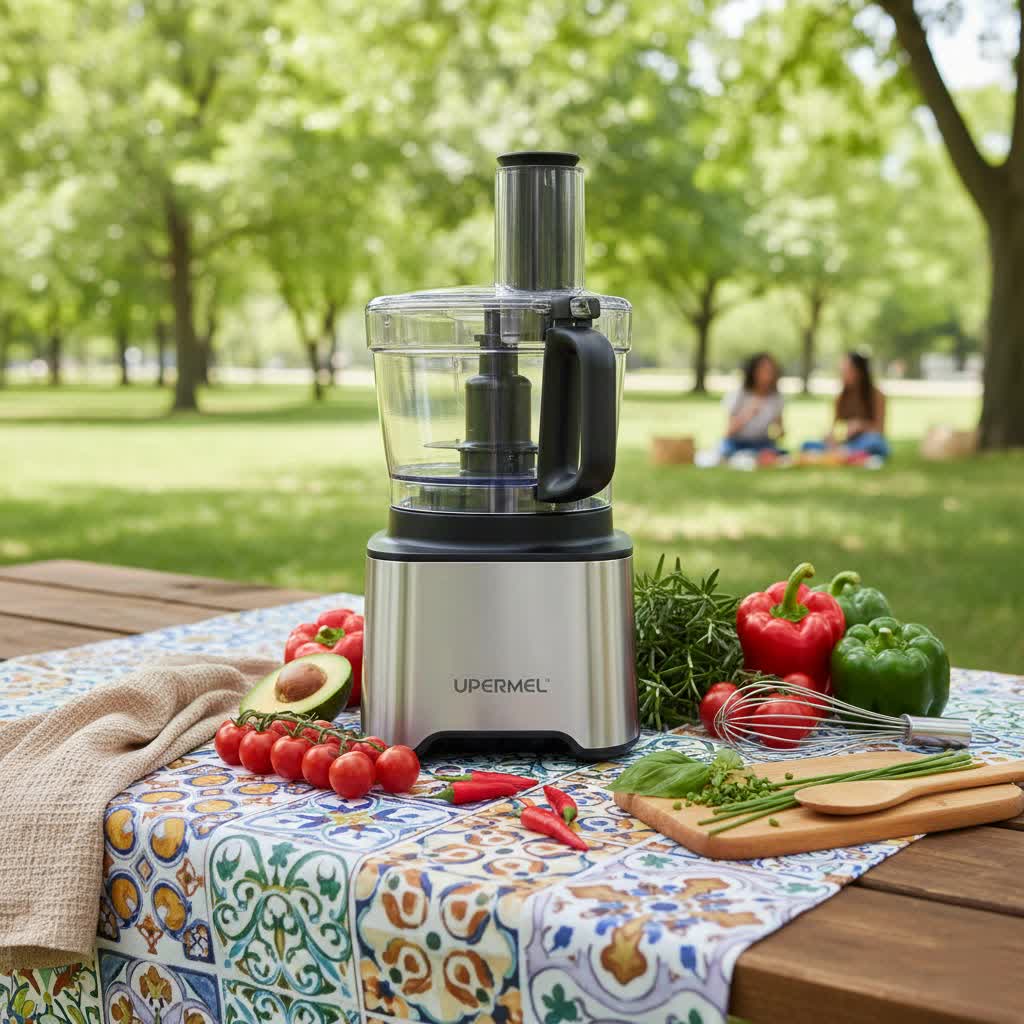
A food processor is a versatile kitchen appliance equipped with interchangeable blades and discs that automate various food preparation tasks. Its primary purpose is to drastically reduce the time and effort spent on chopping, slicing, shredding, pureeing, and mixing ingredients. For an avid home chef or anyone looking to streamline their kitchen routine, a food processor is an indispensable tool.
The benefits of integrating a powerful food processor into your daily cooking are numerous. It accelerates meal preparation, allowing you to create complex dishes in a fraction of the time. Imagine effortlessly kneading dough for homemade bread, finely mincing herbs for pesto, or uniformly slicing vegetables for salads and gratins. A robust model can handle a wide array of foods, from hard root vegetables like carrots and potatoes to dense nuts for butter, and even large batches of dough. It’s an efficiency powerhouse that encourages healthier eating by making homemade meals more accessible.
Types of Food Processors on the Market
Food processors come in various sizes and with different functionalities, catering to diverse kitchen needs and budgets. Understanding these distinctions is key to finding the “powerful” model that best suits you.
Classification by Size:
- Mini Food Processors (1-4 cups): Ideal for single servings, small batches of dips, sauces, or finely chopping herbs and nuts. While convenient for small tasks, they generally lack the power for heavy-duty work.
- Compact Food Processors (5-9 cups): A good middle-ground for everyday family meals. They offer more versatility than mini versions but might still struggle with very large quantities or extremely tough ingredients.
- Full-Size Food Processors (10-16+ cups): These are the workhorses, often featuring more powerful motors and larger capacities, making them suitable for bulk prep, entertaining, and tackling demanding tasks like dough kneading or processing hard vegetables.
Classification by Functionality:
- Versatile/Multi-purpose Food Processors: Most standard food processors fall into this category, offering a range of blades and discs for chopping, slicing, shredding, and pureeing. Powerful models in this category excel across all these functions.
- Specialized Food Processors: Some models might emphasize specific features, such as advanced dicing kits or extra-wide feed chutes, catering to particular culinary needs.
When seeking a powerful food processor, you’ll typically look towards full-size, versatile models that boast higher wattage and robust construction designed for enduring performance.
Comparison Table of Leading Powerful Food Processor Brands
When it comes to power and performance, certain brands consistently stand out. Here’s a comparison of some top contenders known for their robust food processors:
| Brand | Model (Example) | Capacity (Cups) | Wattage (Approx.) | Key Power Features | Performance Highlights | Price Range |
|---|---|---|---|---|---|---|
| Breville | Sous Chef 16 Pro | 16 | 1200-1450W | Heavy-duty induction motor, wide feed chute, adjustable slicing disc. | Excels at dough, hard vegetables, consistent slicing/shredding. | $$$$ |
| Cuisinart | 14-Cup Custom | 14 | 720W | Durable direct-drive motor, simple controls, classic design. | Reliable for large batches, dough, consistent chopping. | $$$ |
| Magimix | by Robot-Coupe 14-Cup | 14 | 950W | Commercial-grade induction motor, silent operation, robust construction. | Unmatched durability, perfect for extended use and tough ingredients. | $$$$ |
| Ninja | Professional Plus Food Processor | 9 | 1000W | Unique stacked blades, strong motor for its size. | Excellent for pureeing, crushing ice, quick chopping. | $$ |
| KitchenAid | 13-Cup Food Processor | 13 | 600-700W | Heavy-duty base, multiple attachments, user-friendly. | Good for everyday tasks, grating, some dough work. | $$$ |
Note: Wattage can vary by specific model and region. Prices are approximate and subject to change.
Breville’s Sous Chef 12-Cup operates at 1000 watts, making swift work of various tasks, while their 16-Cup Paradice model ramps up to 1450 watts for ultimate power. The Ninja Professional Plus also features a 1000-watt motor, proving formidable for its price point. Cuisinart’s 14-Cup Custom, at 720 watts, is a classic known for its consistent performance across many tests, including efficiently mixing large batches of cookie dough.
Essential Factors When Buying a Powerful Food Processor
Choosing the right powerful food processor involves more than just picking a popular brand. Consider these critical factors to ensure your investment meets your culinary demands.
Motor Power and Wattage
|
Our Picks for the Best Food Processor in 2026
As an Amazon Associate I earn from qualifying purchases.
|
||
| Num | Product | Action |
|---|---|---|
| 1 | Inequalit Electric Vegetables Slicer Cheese Shredder, 5-in-1 250W Professional Automatic Salad Fruits Maker Shooter Chopper Machine Kitchen Cutter Grater Food Processor with 5 Different Blades |

|
| 2 | BLACK+DECKER 8-Cup Food Processor, Easy Assembly, Stainless Steel S-Blade, Shred, Slice, Chop, Puree, 450W Motor |
|
| 3 | SPZTJK 3-Speed Electric Food Processor: Meat Grinder, Vegetable Chopper & Baby Food Maker - 300W, 2 Bowls (8 Cup Stainless Steel+8 Cup Glass), Quiet Operation |
|
| 4 | Cuisinart Food Processor, 14-Cup Vegetable Food Chopper for Mincing, Dicing, Shredding, Puree & Kneading Dough, 720-Watt Motor, Stainless Steel, DFP-14BCNY |
|
| 5 | Hamilton Beach Electric Vegetable Chopper & Mini Food Processor, 3-Cup, 350 Watts, for Dicing, Mincing, and Puree, Black (72850) |
|
| 6 | Ninja Food Processor, Professional Plus, 1000 Peak Watts, 4 Functions for Chopping, Slicing, Purees & Dough with 9-Cup Processor Bowl, 3 Blades, Food Chute & Pusher, Silver, BN601 |
|
| 7 | KitchenAid 7-Cup Food Processor - KFP0718 |
|
| 8 | GANIZA Food Processors, Electric Food Chopper with Meat Grinder & Vegetable Chopper - 2 Bowls (8 Cup+8 Cup) with Powerful 450W Copper Motor - Includes 2 Sets of Bi-Level Blades for Fruits/Meat/Nuts |
|
| 9 | Hamilton Beach Food Processor & Vegetable Chopper for Slicing, Shredding, Mincing, and Puree, 10 Cups + Easy Clean Bowl Scraper, Black and Stainless Steel (70730) |
|
| 10 | BLACK+DECKER 3-in-1 Easy Assembly 8-Cup Food Processor, Stainless Steel S-Blade, Easy-Clean, Touchpad Controls Black |
|
This is arguably the most crucial factor for a “powerful” food processor. Higher wattage generally indicates a stronger motor capable of handling tougher ingredients and prolonged use without overheating. For tasks like kneading dough, grinding nuts, or processing hard vegetables, look for models with at least 700-1000 watts. Induction motors or direct-drive systems are often found in more powerful, durable machines, offering quieter operation and better longevity.
Capacity
Match the bowl size to your typical batch sizes.
- Small households (1-2 people) or occasional use: 7-9 cups might suffice.
- Average families (3-4 people) or frequent cooking: 10-12 cups is ideal.
- Large families, entertaining, or batch cooking: 14-16 cups or more will be a game-changer.
Choosing an adequate capacity prevents the need for multiple batches, saving time.
Material and Durability
The construction of both the motor base and the processing bowl impacts durability. Look for sturdy, heavy-duty bases that prevent “walking” on the countertop during operation. Bowls made from robust, BPA-free plastics or glass are preferred for their longevity and resistance to staining and odor absorption. Stainless steel blades are standard, but ensure they are sharp and well-constructed for efficient processing.
Functions and Attachments
A powerful food processor is only as good as its versatility.
- Essential: S-blade (for chopping, pureeing), slicing disc (adjustable preferred), shredding disc.
- Valuable additions: Dough blade (specifically designed for kneading), dicing kit, Julienne disc, whisking attachment, small processing bowl (for smaller tasks).
- Prioritize models with attachments relevant to your cooking style. Adjustable slicing discs, like those found on Breville models, offer incredible flexibility from paper-thin to thick slices.
Brand Reputation and Warranty
Invest in reputable brands known for quality and customer support. Brands like Breville, Cuisinart, and Magimix have established track records for producing durable and high-performing appliances. A good warranty indicates the manufacturer’s confidence in their product.
Price
Powerful food processors are an investment. While budget options exist, expect to pay more for high wattage, larger capacity, and premium features. Compare prices across retailers and consider the long-term value, as a durable, efficient machine can last for years.
Top Powerful Food Processors Loved by Users Today
Based on extensive testing and user feedback, several powerful food processors consistently earn high marks for their performance and reliability.
-
Breville Sous Chef 16 Pro: Often hailed as the “Ferrari of food processors,” this 1200-watt machine is a beast in the kitchen. It excels in nearly every task, from chopping onions to making dough, with uniform results. Its generous 16-cup capacity, wide feed chute, and adjustable slicing disc (with 24 settings) make it incredibly versatile. While a premium option, its performance justifies the investment for serious home chefs.
-
Magimix by Robot-Coupe 14-Cup Food Processor: Renowned for its commercial-grade induction motor and exceptional durability, the Magimix is built to last. It operates quietly and efficiently, tackling heavy-duty tasks with ease. Many consider it the most durable food processor on the market, ideal for those seeking a long-term kitchen partner.
-
Cuisinart 14-Cup Custom Food Processor: A true classic, the Cuisinart 14-cup model remains a favorite due to its robust 720-watt motor and consistent performance. It handles large batches of dough, chops vegetables uniformly, and purees smoothly. Its simple, user-friendly design and proven reliability make it an excellent choice for many kitchens.
-
Ninja Professional Plus Food Processor: For those seeking power without the premium price tag, the 1000-watt Ninja Professional Plus offers excellent value. Its unique stacked blade design ensures even processing, preventing ingredients from being pureed only at the bottom. It performs well across chopping, slicing, shredding, and especially shines in pureeing and crushing ice.
> “Food processors are versatile and essential for any kitchen worth cooking in,” says Juan Ocampo, Sous Chef at Parc in Philadelphia, emphasizing their importance for home cooks and professionals alike.
Tips for Using and Maintaining Your Powerful Food Processor
To maximize the life and performance of your powerful food processor, proper usage and maintenance are key.
Safe and Effective Use:
- Don’t Overload: While powerful, avoid filling the bowl beyond the maximum fill line, especially with liquids or dense ingredients, to prevent motor strain.
- Cut Food Appropriately: For even processing and to reduce motor stress, cut large ingredients into pieces that fit comfortably in the feed chute.
- Pulse Function: Use the pulse function for better control when chopping or mincing, preventing over-processing.
- Liquid Limit: When adding liquids, ensure they don’t exceed the liquid maximum line to prevent leaks.
- Blade Safety: Always handle blades and discs with extreme caution as they are very sharp. Use the plastic hub or a spatula for removal.
Cleaning and Storage:
- Immediate Cleaning: Clean the bowl, lid, and blades immediately after use to prevent food from drying and sticking.
- Dishwasher Safe: Most bowls, lids, and non-motor parts are dishwasher safe (top rack recommended), but always check the manufacturer’s instructions.
- Motor Base: Wipe the motor base with a damp cloth; never immerse it in water.
- Accessory Storage: Utilize any provided storage caddies or carefully store blades to protect their sharpness and prevent injury. Breville, for example, offers thoughtfully labeled caddies for accessories.
Common Issues and Troubleshooting:
- Uneven Chops: Ensure ingredients are cut to a similar size before processing and avoid overloading the bowl. Use the pulse function in short bursts.
- Motor Stalling/Overheating: This often happens with overloading or processing ingredients that are too hard. Reduce the load or allow the motor to cool if it has an automatic shut-off.
- Dull Blades: Over time, blades can dull. Some manufacturers offer replacement blades, or you might consider professional sharpening.
Conclusion
Investing in a powerful food processor is a game-changer for any kitchen, turning daunting prep tasks into quick and enjoyable moments. By considering wattage, capacity, durability, and essential attachments, you can find a machine that not only meets but exceeds your culinary expectations. From kneading stubborn dough to uniformly slicing a mountain of vegetables, the right food processor empowers you to explore new recipes and elevate your everyday cooking.
Ready to unleash the full potential of your kitchen? Which powerful food processor will become your next culinary workhorse?
Frequently Asked Questions
What is considered a high wattage for a food processor?
Generally, a food processor with 700 watts or more is considered powerful. Models reaching 1000-1450 watts are excellent for heavy-duty tasks like kneading dough, grinding nuts, and processing hard root vegetables without straining the motor.
Can a powerful food processor knead dough effectively?
Yes, many powerful food processors, especially those with high wattage (700W+) and a dedicated dough blade, can knead dough effectively. They can mix and knead yeast dough for bread, cookie dough, and pastry dough with consistent results, saving significant manual effort.
Are powerful food processors noisy?
Not necessarily. While higher wattage can sometimes imply more noise, many premium powerful food processors, especially those with induction or direct-drive motors like Magimix models, are designed for relatively quiet operation even under heavy load.
What’s the difference between a powerful food processor and a blender?
A powerful food processor excels at dry or semi-dry tasks like chopping, slicing, shredding, and kneading dough. A blender, on the other hand, is primarily designed for liquids and making very smooth purees, smoothies, or crushing ice, typically having taller jars and different blade designs optimized for fluid movement.
How do I know if my food processor is powerful enough for nuts?
If your food processor has a motor of at least 700 watts and a sturdy S-blade, it should be powerful enough for nuts. Higher wattage (1000W+) models will handle nuts and even make nut butters more effortlessly and quickly, reducing the risk of motor strain.
