In the bustling heart of any kitchen, efficiency is paramount. For home cooks and culinary enthusiasts alike, the food processor stands as an indispensable ally, transforming time-consuming manual prep into effortless tasks. This powerful appliance, a true workhorse, has revolutionized how we approach meal preparation, making it quicker, cleaner, and more enjoyable. From finely chopping vegetables to kneading dough, understanding the full scope of your food processor’s capabilities can unlock a world of culinary possibilities, encouraging healthier eating habits and inspiring new recipe creations. This comprehensive guide will delve into everything you need to know about food processor use, ensuring you harness its full potential in your kitchen.
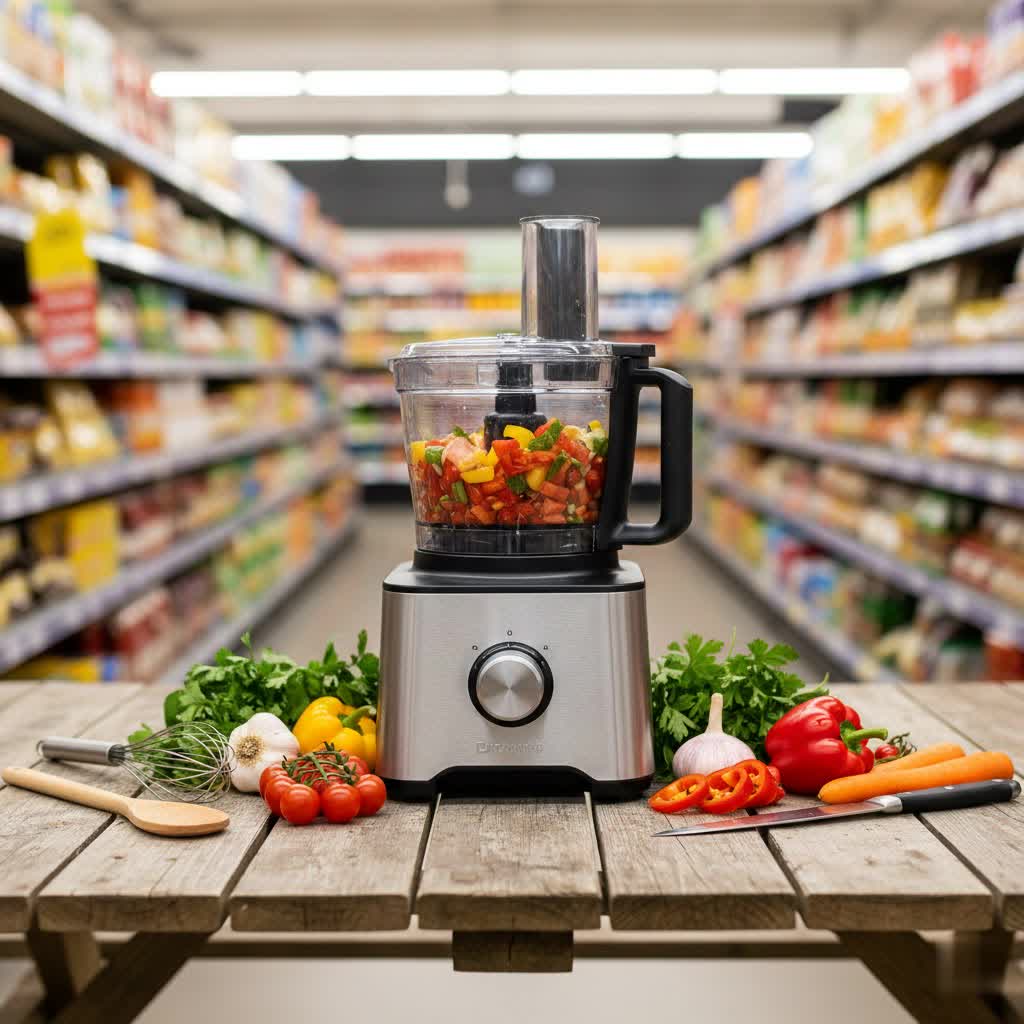
Food Processors: Your Kitchen’s Versatile Workhorse
What is a Food Processor and Why You Need One?
|
Our Picks for the Best Food Processor in 2026
As an Amazon Associate I earn from qualifying purchases.
|
||
| Num | Product | Action |
|---|---|---|
| 1 | GANIZA Food Processors, Electric Food Chopper with Meat Grinder & Vegetable Chopper - 2 Bowls (8 Cup+8 Cup) with Powerful 450W Copper Motor - Includes 2 Sets of Bi-Level Blades for Fruits/Meat/Nuts |

|
| 2 | Inequalit Electric Vegetables Slicer Cheese Shredder, 5-in-1 250W Professional Automatic Salad Fruits Maker Shooter Chopper Machine Kitchen Cutter Grater Food Processor with 5 Different Blades |
|
| 3 | SPZTJK 3-Speed Electric Food Processor: Meat Grinder, Vegetable Chopper & Baby Food Maker - 300W, 2 Bowls (8 Cup Stainless Steel+8 Cup Glass), Quiet Operation |
|
| 4 | Hamilton Beach Electric Vegetable Chopper & Mini Food Processor, 3-Cup, 350 Watts, for Dicing, Mincing, and Puree, Black (72850) |
|
| 5 | KitchenAid 7-Cup Food Processor - KFP0718 |
|
| 6 | BLACK+DECKER 3-in-1 Easy Assembly 8-Cup Food Processor, Stainless Steel S-Blade, Easy-Clean, Touchpad Controls Black |
|
| 7 | Cuisinart Food Processor, 14-Cup Vegetable Food Chopper for Mincing, Dicing, Shredding, Puree & Kneading Dough, 720-Watt Motor, Stainless Steel, DFP-14BCNY |
|
| 8 | BLACK+DECKER 8-Cup Food Processor, Easy Assembly, Stainless Steel S-Blade, Shred, Slice, Chop, Puree, 450W Motor |
|
| 9 | Ninja Food Processor, Professional Plus, 1000 Peak Watts, 4 Functions for Chopping, Slicing, Purees & Dough with 9-Cup Processor Bowl, 3 Blades, Food Chute & Pusher, Silver, BN601 |
|
| 10 | Hamilton Beach Food Processor & Vegetable Chopper for Slicing, Shredding, Mincing, and Puree, 10 Cups + Easy Clean Bowl Scraper, Black and Stainless Steel (70730) |
|
A food processor is an electric kitchen appliance equipped with interchangeable blades and discs, designed to automate various repetitive food preparation tasks. Unlike blenders, which primarily handle liquids and create smooth purées, food processors excel at handling solids, offering a wider bowl and a range of attachments for diverse functions. It’s not just about saving effort; it’s about achieving consistent results that are often difficult to replicate by hand. Imagine shredding an entire block of cheese in seconds, preparing a mirepoix for soup with uniform cuts, or whipping up homemade hummus with perfect texture – these are just a few ways a food processor streamlines your cooking. Its ability to quickly chop, slice, shred, grind, purée, and even knead dough makes it a cornerstone for efficient and enjoyable cooking, dramatically cutting down on prep time and encouraging scratch cooking with fresh ingredients.
The Benefits of Integrating a Food Processor into Your Daily Cooking
Integrating a food processor into your daily routine brings a multitude of benefits. Firstly, it’s a significant time-saver. Tasks that might take 10-20 minutes by hand, such as grating cheese or finely slicing vegetables, can be completed in under a minute. This efficiency means more time enjoying your meals and less time on tedious preparation. Secondly, it ensures consistency in your ingredients, which is crucial for even cooking and professional-looking dishes. Whether it’s uniformly sliced carrots or perfectly minced garlic, the results are always reliable. Thirdly, it promotes healthier eating by making it easier to prepare meals from scratch, free from additives and preservatives often found in store-bought alternatives. You can control the ingredients, grind your own flours, or make fresh nut butters, supporting a whole-food diet. Finally, the sheer versatility of the appliance can inspire creativity, empowering you to tackle recipes you might have once considered too labor-intensive.
What Food Processors Can Process: A Culinary Spectrum
The range of foods a food processor can handle is surprisingly broad, covering almost every stage of meal preparation. It can chop vegetables for stir-fries, salsas, and salads; slice fruits for desserts or garnishes; and shred cheese for gratins or tacos. Beyond basic prep, it effortlessly purées cooked vegetables for smooth soups, chickpeas for creamy hummus, or tomatoes for rich sauces. For baking enthusiasts, it kneads various doughs—from delicate pastry crusts to hearty bread doughs. It’s also adept at grinding nuts into flours or butters, making breadcrumbs from stale bread, and mincing meat for homemade burgers or meatballs. From everyday staples to gourmet creations, the food processor expands your culinary repertoire, making complex recipes more accessible.
Choosing the Right Food Processor: A Comprehensive Guide
Types of Food Processors on the Market
Food processors typically come in three main size categories, each suited to different needs:
- Mini Food Processors (1-4 cups): Ideal for small households or individual servings. Perfect for chopping herbs, nuts, garlic, or making small batches of dips and dressings. Their compact size makes them easy to store.
- Compact Food Processors (5-7 cups): A good all-rounder for everyday tasks in smaller to medium-sized households. They can handle most basic chopping, slicing, and shredding jobs without taking up too much counter space.
- Full-Size Food Processors (8-14+ cups): The best choice for larger families, frequent entertainers, or serious home cooks. These models can handle large batches of ingredients, knead significant quantities of dough, and often come with the widest array of attachments for maximum versatility.
While most modern food processors are designed to be multi-functional, offering a range of blades and discs, some professional-grade models might offer more specialized attachments for tasks like dicing. The primary distinction remains size, which directly correlates with the volume of food they can process at one time.
Top Food Processor Brands: General Strengths
| Brand | Noted Strengths | Ideal For |
|---|---|---|
| KitchenAid | Renowned for powerful motors, robust construction, and iconic design. Often includes various attachments and multiple bowl sizes. Known for durability and long-lasting performance. | Everyday home cooks seeking reliability and versatility; those who appreciate aesthetic design. |
| Cuisinart | Often credited with popularizing the food processor. Offers a wide range of models, known for strong motors, durable blades, and extensive attachments. Good balance of performance and value across different price points. | Enthusiastic home cooks; those looking for a wide feature set and proven performance. |
| Breville | Celebrated for innovative design, intuitive controls, and high-performance motors. Many models feature wider feed chutes and precision slicing options. Focus on user-friendly experience and effective processing. | Modern kitchens; cooks prioritizing advanced features, ease of use, and quick processing. |
| Bosch | Typically recognized for robust European engineering, efficient motors, and space-saving designs. Often offers a range of integrated features and high-quality components. | Cooks seeking German engineering precision, efficiency, and potentially compact solutions without compromising power. |
| Ninja | Known for high-power blending capabilities often integrated with food processing functions. Offers multi-functional systems that can act as both blenders and food processors, providing strong value for versatile kitchen needs. | Those with limited space looking for a 2-in-1 appliance; cooks prioritizing powerful blending alongside food processing. |
Essential Factors When Buying Your Food Processor
Choosing the right food processor requires careful consideration of several key factors to ensure it meets your specific cooking needs:
- Power (Wattage): A higher wattage typically means a more powerful motor, which is essential for handling tough ingredients like nuts, hard cheeses, or kneading stiff doughs without stalling. Aim for at least 600 watts for a full-size model, though many high-end processors offer 1000 watts or more.
- Capacity (Bowl Size): Match the bowl size to your typical batch sizes. A 1-4 cup mini-processor is fine for small tasks, while an 8-14 cup model is better for families or preparing large quantities. Many models offer nested smaller bowls for added flexibility.
- Blades and Attachments: Beyond the standard S-blade, look for models that include a variety of slicing and shredding discs (fine, medium, coarse), a dough blade, and potentially a whisking attachment. Some advanced models may even include dicing kits. More attachments mean greater versatility.
- Material and Durability: The work bowl should be made of durable, BPA-free plastic. Stainless steel blades are a must for sharpness and longevity. A sturdy, heavy base indicates a powerful motor and prevents the unit from moving during operation.
- Ease of Cleaning: Look for models with dishwasher-safe parts. Removable parts that are easy to assemble and disassemble will significantly streamline the cleaning process, encouraging more frequent use.
- Brand Reputation and Warranty: Opt for reputable brands known for quality and customer service. A good warranty provides peace of mind and indicates the manufacturer’s confidence in their product’s durability.
Mastering Your Food Processor: Essential Uses and Techniques
A food processor can transform a myriad of kitchen tasks. Understanding its core functions and how to utilize them effectively is key.
Chopping and Mincing
This is perhaps the most fundamental use. The S-blade (also known as the multipurpose blade) is your go-to for chopping vegetables like onions, carrots, celery, garlic, and herbs. For best results, cut larger ingredients into 1-inch pieces before adding them to the bowl. Use the “pulse” function in short bursts, observing the consistency, to avoid over-processing and turning ingredients into a paste. This technique is ideal for mirepoix, salsa, pestos, or finely mincing garlic and ginger.
Slicing and Shredding
Food processors often come with reversible slicing and shredding discs. To slice, insert the appropriate disc (thin or thick) and use the feed tube to guide ingredients like cucumbers, potatoes, carrots, or apples. For shredding, the process is similar: attach the shredding disc (fine or coarse) and feed ingredients like cheese, cabbage, or carrots through the chute. For cheese, ensure it’s cold for cleaner, more uniform shreds.
Puréeing and Blending
The S-blade is also used for puréeing. This function is perfect for creating smooth textures from cooked vegetables for soups, making creamy hummus, baba ganoush, or various sauces and dips. For the smoothest results, add a small amount of liquid, like broth or oil, if needed. Keep the processor running continuously until the desired consistency is achieved. Food processors excel at thick, textured purées, while blenders are generally better for very thin, smooth liquids.
Kneading Dough
Many full-size food processors include a plastic dough blade, designed to mix and knead dough without overworking it. This is a game-changer for bakers, making quick work of pie crusts, pizza dough, and even some bread doughs. Add dry ingredients first, then slowly drizzle in liquids through the feed tube while the machine is running, stopping once a cohesive ball of dough forms. This method ensures minimal hand-kneading.
Grinding and Milling
Your food processor can effectively grind various ingredients. Use the S-blade to transform stale bread into fresh breadcrumbs, or to grind nuts like almonds, walnuts, or pecans for baking or to make your own nut flours. It can also grind whole spices, though a dedicated spice grinder might yield finer results for very small quantities. Ensure the bowl and blade are completely dry when grinding dry ingredients like nuts or oats to prevent clumping.
Specialty Uses
Beyond the basics, food processors offer creative culinary shortcuts:
- Cauliflower Rice: Quickly pulse cauliflower florets until they resemble rice for a low-carb alternative.
- Nut Butters: Make fresh, additive-free peanut, almond, or cashew butter by processing roasted nuts until smooth and creamy.
- Compound Butters: Blend softened butter with herbs, spices, or garlic for flavorful additions to steaks, vegetables, or bread.
- Emulsifying Dressings: Slowly drizzle oil through the feed tube while processing ingredients like vinegar, mustard, and herbs to create stable emulsions for homemade vinaigrettes and mayonnaise.
“A good food processor isn’t just an appliance; it’s an extension of your culinary capabilities, empowering you to create dishes with professional precision and efficiency that were once only achievable through laborious manual effort.”
Tips for Safe and Effective Food Processor Use
Maximizing your food processor’s potential also involves using it safely and effectively.
Prepping Ingredients for Optimal Results
Always cut larger ingredients into uniform, manageable pieces (typically 1-inch chunks) before adding them to the work bowl. This ensures even processing and prevents the motor from straining. For slicing or shredding, ensure ingredients fit comfortably into the feed tube without forcing them.
Assembling Your Food Processor Correctly
Before operation, ensure all components—the base, work bowl, blade/disc, and lid—are securely locked into place. Most modern food processors have safety interlocks that prevent the machine from starting if parts are not correctly assembled. This is a crucial safety measure.
The Power of the Pulse Function
The “pulse” button is your best friend for precision. Instead of continuous running, use short bursts to achieve the desired texture, especially when chopping or mincing. This gives you greater control, allowing you to stop exactly when the ingredients reach your preferred consistency, preventing over-processing into a mush.
Working in Batches
Avoid overfilling the work bowl. Processing in smaller batches is often more efficient and yields more consistent results than trying to cram too many ingredients in at once. Overfilling can strain the motor, lead to uneven processing, and potentially damage the machine.
Understanding Its Limitations
While versatile, a food processor isn’t a replacement for every other kitchen appliance. For instance, while it can purée, a dedicated high-speed blender will typically achieve a much smoother, thinner consistency for smoothies or very fine sauces. It’s also not ideal for crushing large amounts of ice (a blender is better suited) or for whipping very small quantities of egg whites (a stand mixer or hand mixer is more efficient). Recognize its strengths and complement it with other tools as needed.
Safety Precautions to Always Follow
- Always ensure the machine is off and unplugged before assembling, disassembling, or cleaning.
- Never put your hand or any utensil into the work bowl while the motor is running or if the machine is plugged in. Use the food pusher provided for the feed tube.
- Be extremely careful when handling sharp blades and discs. Wash them immediately after use to avoid dried food residue, which can make cleaning hazardous.
- Do not process hot liquids or extremely hot foods, as steam pressure can build up and cause the lid to dislodge. Allow hot ingredients to cool slightly first.
Care and Maintenance for Longevity
Proper care ensures your food processor remains a reliable kitchen companion for years to come.
Immediate Cleaning After Use
The best practice is to clean your food processor immediately after each use. Food residues, especially sticky or acidic ones, can dry and become harder to remove, potentially staining the plastic bowl.
Dishwasher-Safe Parts
Most work bowls, lids, and detachable blades/discs are dishwasher-safe. Always check your model’s instruction manual for specific guidance. Placing parts on the top rack is generally recommended to prevent warping.
Proper Storage
Store your food processor with all its components, including blades and discs, in a safe place. Many models come with storage containers for blades to prevent accidents and keep everything organized. Ensure the motor base is wiped clean with a damp cloth; never immerse it in water.
Troubleshooting Common Issues
- Uneven Chops: Usually caused by overfilling or not cutting ingredients into uniform sizes initially. Process in smaller batches and ensure pieces are similar in size.
- Motor Stalling: Often due to overfilling or trying to process ingredients that are too hard or dense for the motor’s power. Reduce the quantity or cut harder ingredients into smaller pieces.
- Lid Not Locking: Check that the work bowl is properly seated and twisted into place, and that the lid is correctly aligned. Safety interlocks prevent operation otherwise.
Conclusion
The food processor is more than just a kitchen gadget; it’s a culinary powerhouse that streamlines meal preparation, encourages healthier eating, and inspires creativity. By understanding its functions, selecting the right model for your needs, and mastering its safe and effective use, you can transform your cooking experience. From everyday chopping and slicing to specialized tasks like kneading dough and making homemade nut butters, this versatile appliance stands ready to be your most reliable kitchen assistant. Embrace the efficiency and explore the endless possibilities your food processor brings to your table.
Are you ready to revolutionize your kitchen prep and explore new culinary horizons with your food processor?
Frequently Asked Questions
Can a food processor be used for smoothies?
While a food processor can blend ingredients for thicker concoctions, a traditional blender is generally better suited for smoothies. Blenders are designed with stronger motors and specific blade configurations to thoroughly break down ice and fibrous ingredients into a consistently smooth, drinkable texture, which a food processor may struggle to achieve.
What is the difference between a food processor and a blender?
The main difference lies in their primary function and design. Food processors are built with wider bowls and S-shaped blades for chopping, slicing, shredding, and kneading solid foods. Blenders, conversely, have taller, narrower jars and blades designed to create smooth liquids, purées, and crush ice by drawing ingredients down towards the blades.
