Are you tired of the endless chore of manual shredding, grating cheese, or finely chopping vegetables for your favorite recipes? Imagine effortlessly transforming solid ingredients into perfectly uniform shreds in seconds. The food processor, equipped with its powerful shredding disc, is a game-changer for any kitchen, turning tedious prep work into a swift, satisfying task. This comprehensive guide will delve into everything you need to know about the shredding disc food processor, helping you understand its benefits, explore the best models, and master its use to unlock a world of culinary convenience.
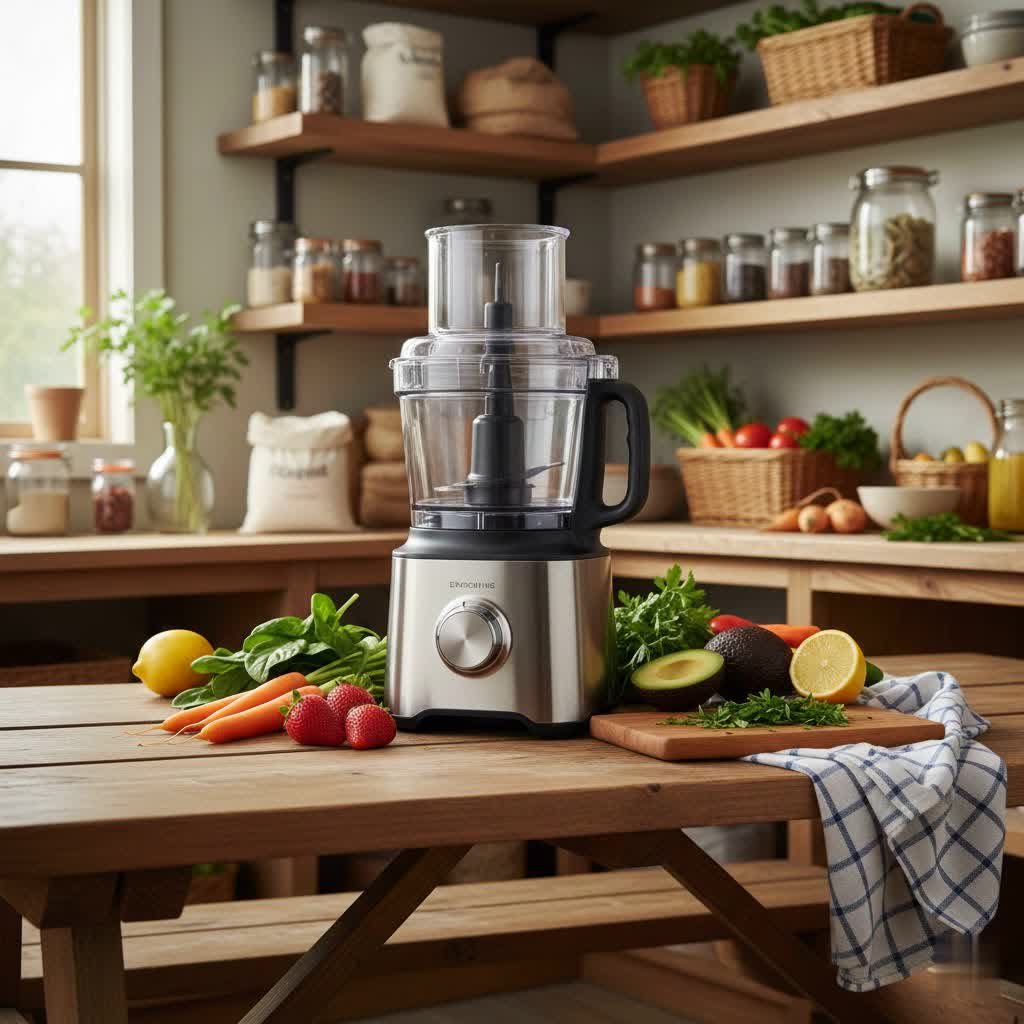
What is a Food Processor Shredding Disc and Why Do You Need One?
A food processor shredding disc is a specialized attachment designed to rapidly grate and shred a variety of ingredients. Unlike the standard S-blade that chops and mixes within the bowl, the shredding disc typically sits atop the processor’s work bowl. Ingredients are fed through the lid’s feed tube, make contact with the spinning disc, and are shredded before falling neatly into the bowl below. Often referred to as a grating disc, this versatile tool excels at preparing a wide array of foods.
Think about the time saved when preparing dishes that require shredded ingredients. With a shredding disc, you can quickly shred carrots for moist carrot cakes, cabbage for crisp coleslaws, or broccoli for vibrant salads. It’s also indispensable for potatoes, zucchini, and even firm fruits. The primary benefits include remarkable time savings, consistent results that enhance your dish’s texture, and significantly reduced effort compared to using a box grater or mandoline. For instance, freshly shredded cheese melts more smoothly and tastes fresher due to fewer preservatives, making it superior to pre-shredded alternatives.
Types of Shredding Discs for Food Processors
The world of food processor shredding discs isn’t one-size-fits-all. Manufacturers offer various designs to cater to diverse culinary needs, ensuring you can achieve the perfect texture for any recipe.
- Reversible Slicing/Shredding Discs: Many food processors come equipped with a dual-purpose disc that features both slicing and shredding blades on opposite sides. This design offers excellent versatility, allowing you to simply flip the disc over to switch between functions. To slice, the raised slicing blade faces up; to shred, the smaller, raised shredding blades are on top.
- Fine vs. Coarse Shredding Discs: Some advanced models or attachments provide separate discs for fine and coarse shredding. A fine shredding disc is ideal for ingredients like hard cheeses destined for garnishes or fine vegetable strands, while a coarse disc is perfect for heartier ingredients such as cabbage for slaw or potatoes for hash browns.
- Adjustable Slicing/Shredding Discs: For ultimate precision, certain high-end food processors feature adjustable slicing and shredding discs. These allow you to precisely control the thickness of your slices or the fineness of your shreds, offering unparalleled customization for your culinary creations.
Each type of disc contributes to the overall versatility of your food processor, transforming it into a true kitchen workhorse capable of handling everything from delicate garnishes to robust meal prep.
Top Food Processor Brands Known for Excellent Shredding Discs
When investing in a food processor, especially one where shredding performance is key, certain brands consistently rise to the top. These manufacturers prioritize powerful motors, durable construction, and intelligent disc designs to deliver superior results.
- Breville: Often hailed for its robust performance, Breville offers models like the Sous Chef and Paradice food processors. These units frequently feature adjustable slicing blades with a wide range of thickness settings and reversible discs for fine and coarse grating. Their powerful induction motors ensure efficient processing, even for tougher ingredients. The Breville Sous Chef 16-Cup, for example, comes with fine and coarse reversible grating disks.
- Cuisinart: A long-standing favorite in many kitchens, Cuisinart provides reliable food processors that excel at fundamental tasks, including shredding. The Cuisinart 14-Cup Food Processor typically includes a slicing disc and a medium grating disc, offering straightforward operation and consistent performance at a competitive price.
- KitchenAid: Known for their durability and iconic design, KitchenAid food processors like the 13-Cup Food Processor with Dicing Kit often include a reversible shredding disc. They are particularly praised for their effectiveness in shredding various types of cheese, with parts that are often dishwasher-safe for easy cleanup.
- Magimix: These high-end food processors, such as the Magimix 14-Cup Food Processor, are recognized for their quiet yet powerful induction motors and wide feed tubes that can accommodate larger produce. Magimix models often come with dedicated 2mm and 4mm grating discs, providing specific options for different shredding needs.
- Ninja: Offering strong performance and versatility, Ninja’s food processors, including 3-in-1 systems, typically feature a reversible slicing/grating disc. They are popular for their ability to handle a range of tasks, including efficient shredding.
- Hamilton Beach: For those seeking a budget-friendly option without sacrificing essential shredding capabilities, models like the Hamilton Beach Stack & Snap 4-Cup Mini Food Processor come with a reversible slicing/shredding disc. While compact, these mini processors are effective for smaller shredding jobs and are also designed with dishwasher-safe parts.
These brands offer a spectrum of choices, from compact models ideal for small tasks to large-capacity units perfect for extensive meal preparation, all featuring excellent shredding capabilities.
Key Factors When Choosing a Food Processor with a Shredding Disc (Buying Guide)
Selecting the right food processor with a shredding disc involves considering several crucial factors to ensure it meets your specific kitchen needs and lifestyle.
- Power (Wattage): While wattage can indicate motor size, it’s not the only measure of performance. A powerful, quiet induction motor is often more critical, as it signifies less wear and tear and a longer-lasting appliance. Look for models that handle tough ingredients without struggling.
- Capacity: Food processors come in various sizes. A 14- to 16-cup capacity is generally recommended for most home cooks, capable of handling large batches. For smaller households or kitchens, a 9- to 12-cup model offers a good balance, while mini food processors (around 4 cups) are perfect for small tasks like single servings or dressings.
- Feed Tube Size: A wider feed tube minimizes the need for pre-cutting ingredients, saving you valuable prep time. Some models offer multi-size feed tubes, accommodating a variety of ingredient shapes and sizes.
- Disc Variety & Adjustability: Consider if you need just one reversible disc or if specialized fine and coarse shredding discs would be beneficial. Adjustable slicing/shredding discs provide greater precision and versatility, allowing you to dial in the exact thickness or fineness you desire.
- Material & Durability: Opt for sturdy, high-quality materials for the bowl and blades. Many modern food processors feature BPA-free components, ensuring food safety. Durable construction, especially with an induction motor, contributes to the appliance’s longevity.
- Ease of Cleaning: Removable parts that are dishwasher-safe can significantly simplify cleanup. Look for designs that minimize nooks and crannies where food can get trapped. Features like hinged lids can also make assembly and cleaning easier.
- Storage Solutions: Food processor attachments can take up space. Models with in-bowl storage solutions for blades and discs help keep your kitchen organized and prevent losing accessories.
By carefully evaluating these factors, you can find a shredding disc food processor that becomes an indispensable tool in your culinary arsenal.
Maximizing Your Shredding Disc: Tips for Use and Maintenance
To get the most out of your food processor’s shredding disc and ensure its longevity, proper usage and maintenance are essential.
- Optimal Ingredient Preparation: For best shredding results, particularly with cheese, ensure your ingredients are firm and very cold. For soft cheeses like mozzarella, pop them in the freezer for 15-20 minutes before shredding. This firms them up, preventing clumping and ensuring independent, uniform shreds. For hard cheeses like Parmesan that you want to grind into a powdery texture, skip the shredding disc and use the S-blade with 1-inch pieces, pulsing until the desired consistency is achieved. Always cut ingredients to fit comfortably within the feed tube.
- Proper Feeding Technique: Always use the food pusher provided with your appliance. This ensures even contact with the disc and protects your hands. Avoid forcing ingredients through, as this can strain the motor or lead to uneven results.
- Appropriate Speed Settings: Refer to your food processor’s manual for recommended speed settings for shredding. Many models suggest using a lower or pulse setting to maintain control and achieve consistent shreds, especially for delicate items.
- Safety First: Always ensure the bowl and lid are securely locked into place before operating the food processor. Exercise caution when handling sharp blades and discs.
- Immediate and Thorough Cleaning: To prevent food from sticking and hardening, clean all blades, discs, and the work bowl immediately after use. Most removable parts are dishwasher-safe on the top rack, using a gentle cycle. For quick cleaning, fill the bowl about a third full with water, add a few drops of dish soap, and run the processor on high for 30 seconds. For hand washing, carefully wipe blades with warm soapy water and a soft cloth or sponge.
- Safe Storage: Store your sharp blades and discs in a safe, accessible place, ideally within the food processor’s work bowl if your model offers in-bowl storage. Avoid storing them next to other metal utensils that could dull the edges.
- When to Replace Discs: Food processor blades are not typically sharpened. If you notice ingredients tearing rather than cleanly cutting, or if the disc appears damaged, it’s usually an indication that it’s time for a replacement.
By following these tips, your shredding disc will consistently deliver excellent results, making your kitchen adventures more efficient and enjoyable.
Conclusion
The shredding disc food processor is more than just another kitchen gadget; it’s a powerful ally in your quest for efficient and enjoyable cooking. From transforming blocks of cheese into perfectly grated delights to preparing mountains of vegetables in minutes, this versatile attachment redefines food preparation. The time saved and the consistent quality achieved with a good shredding disc can elevate your culinary experience, making healthy and homemade meals more accessible than ever. Embrace the convenience and precision that a high-quality shredding disc food processor brings to your kitchen. What will you shred next to simplify your cooking?
Frequently Asked Questions
Can I shred cooked meat in a food processor using the shredding disc?
|
Our Picks for the Best Food Processor in 2026
As an Amazon Associate I earn from qualifying purchases.
|
||
| Num | Product | Action |
|---|---|---|
| 1 | SPZTJK 3-Speed Electric Food Processor: Meat Grinder, Vegetable Chopper & Baby Food Maker - 300W, 2 Bowls (8 Cup Stainless Steel+8 Cup Glass), Quiet Operation |

|
| 2 | Hamilton Beach Food Processor & Vegetable Chopper for Slicing, Shredding, Mincing, and Puree, 10 Cups + Easy Clean Bowl Scraper, Black and Stainless Steel (70730) |
|
| 3 | Inequalit Electric Vegetables Slicer Cheese Shredder, 5-in-1 250W Professional Automatic Salad Fruits Maker Shooter Chopper Machine Kitchen Cutter Grater Food Processor with 5 Different Blades |
|
| 4 | Cuisinart Food Processor, 14-Cup Vegetable Food Chopper for Mincing, Dicing, Shredding, Puree & Kneading Dough, 720-Watt Motor, Stainless Steel, DFP-14BCNY |
|
| 5 | KitchenAid 7-Cup Food Processor - KFP0718 |
|
| 6 | Ninja Food Processor, Professional Plus, 1000 Peak Watts, 4 Functions for Chopping, Slicing, Purees & Dough with 9-Cup Processor Bowl, 3 Blades, Food Chute & Pusher, Silver, BN601 |
|
| 7 | Hamilton Beach Electric Vegetable Chopper & Mini Food Processor, 3-Cup, 350 Watts, for Dicing, Mincing, and Puree, Black (72850) |
|
| 8 | BLACK+DECKER 8-Cup Food Processor, Easy Assembly, Stainless Steel S-Blade, Shred, Slice, Chop, Puree, 450W Motor |
|
| 9 | GANIZA Food Processors, Electric Food Chopper with Meat Grinder & Vegetable Chopper - 2 Bowls (8 Cup+8 Cup) with Powerful 450W Copper Motor - Includes 2 Sets of Bi-Level Blades for Fruits/Meat/Nuts |
|
| 10 | BLACK+DECKER 3-in-1 Easy Assembly 8-Cup Food Processor, Stainless Steel S-Blade, Easy-Clean, Touchpad Controls Black |
|
Generally, the shredding disc is designed for firm, uncooked ingredients like vegetables and cheese. Cooked meats are typically best shredded using the S-blade, often with a pulsing action, to achieve a pulled or finely shredded texture.
What’s the difference between grating and shredding discs?
While “grating” and “shredding” are often used interchangeably, food processor discs might offer slight variations in hole size or blade design to produce different textures. Fine discs create very small pieces, while coarse discs yield larger, more substantial shreds.
Do food processor shredding discs need sharpening?
Food processor blades, including shredding discs, are not typically designed for sharpening. If you notice a decline in performance, such as tearing instead of clean cutting, it’s usually best to replace the disc with a genuine manufacturer’s part.
How do I shred large vegetables like cabbage or a whole head of lettuce?
For large vegetables, you’ll need to cut them down into pieces that fit comfortably into your food processor’s feed tube. Always use the food pusher to guide the ingredients through the shredding disc for even and safe processing.
