In the dynamic world of kitchen appliances, efficiency and convenience are key. As a seasoned culinary technician with over a decade of hands-on experience, I’ve seen countless innovations designed to simplify meal preparation. Among these, the “handheld food processor” stands out as a versatile tool often misunderstood. While not a traditional full-sized food processor, this compact gadget—most commonly known as an immersion blender equipped with specialized attachments—offers remarkable utility for everyday cooking tasks. It promises to transform your culinary workflow, making quick work of blending, chopping, and whisking without the bulk of larger machines.
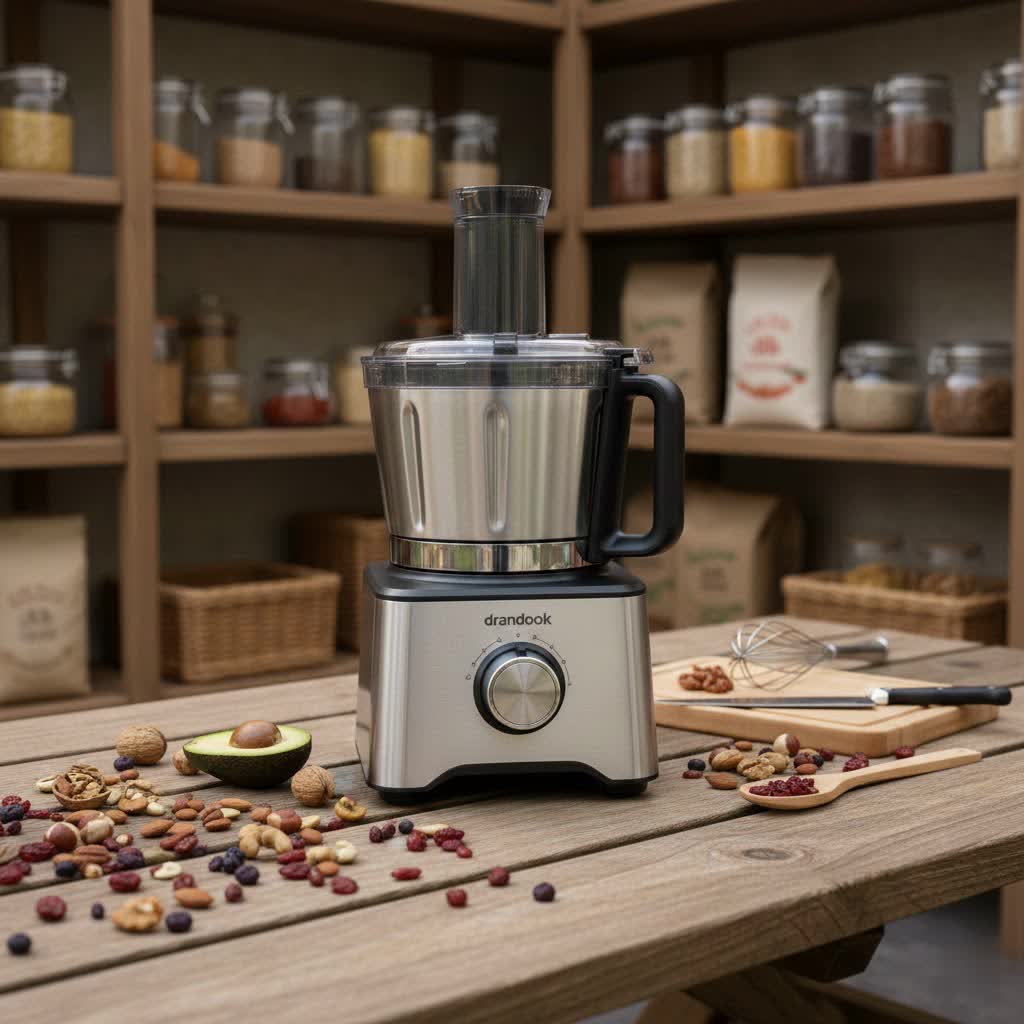
This comprehensive guide will demystify the handheld food processor, clarifying its capabilities, comparing it to its countertop counterparts, and offering expert advice on how to choose and use one effectively. Whether you’re aiming to whip up silky smooth soups or finely mince herbs, understanding this compact powerhouse will help you unlock its full potential in your kitchen.
Understanding the “Handheld Food Processor”: Immersion Blenders and Beyond
When we talk about a “handheld food processor,” we are primarily referring to an immersion blender, also widely known as a stick blender or hand blender. These ingenious devices are designed for maximum convenience, allowing you to process food directly in your cooking vessel without the need for transfers.
What is an Immersion Blender?
|
Our Picks for the Best Food Processor in 2026
As an Amazon Associate I earn from qualifying purchases.
|
||
| Num | Product | Action |
|---|---|---|
| 1 | BLACK+DECKER 8-Cup Food Processor, Easy Assembly, Stainless Steel S-Blade, Shred, Slice, Chop, Puree, 450W Motor |

|
| 2 | GANIZA Food Processors, Electric Food Chopper with Meat Grinder & Vegetable Chopper - 2 Bowls (8 Cup+8 Cup) with Powerful 450W Copper Motor - Includes 2 Sets of Bi-Level Blades for Fruits/Meat/Nuts |
|
| 3 | Hamilton Beach Food Processor & Vegetable Chopper for Slicing, Shredding, Mincing, and Puree, 10 Cups + Easy Clean Bowl Scraper, Black and Stainless Steel (70730) |
|
| 4 | SPZTJK 3-Speed Electric Food Processor: Meat Grinder, Vegetable Chopper & Baby Food Maker - 300W, 2 Bowls (8 Cup Stainless Steel+8 Cup Glass), Quiet Operation |
|
| 5 | Ninja Food Processor, Professional Plus, 1000 Peak Watts, 4 Functions for Chopping, Slicing, Purees & Dough with 9-Cup Processor Bowl, 3 Blades, Food Chute & Pusher, Silver, BN601 |
|
| 6 | BLACK+DECKER 3-in-1 Easy Assembly 8-Cup Food Processor, Stainless Steel S-Blade, Easy-Clean, Touchpad Controls Black |
|
| 7 | KitchenAid 7-Cup Food Processor - KFP0718 |
|
| 8 | Hamilton Beach Electric Vegetable Chopper & Mini Food Processor, 3-Cup, 350 Watts, for Dicing, Mincing, and Puree, Black (72850) |
|
| 9 | Cuisinart Food Processor, 14-Cup Vegetable Food Chopper for Mincing, Dicing, Shredding, Puree & Kneading Dough, 720-Watt Motor, Stainless Steel, DFP-14BCNY |
|
| 10 | Inequalit Electric Vegetables Slicer Cheese Shredder, 5-in-1 250W Professional Automatic Salad Fruits Maker Shooter Chopper Machine Kitchen Cutter Grater Food Processor with 5 Different Blades |
|
An immersion blender is a small, electric kitchen appliance that you hold in your hand. It consists of a motor housed in the top handle, a long shaft, and a blade assembly at the bottom. This design allows you to immerse the blade directly into ingredients in a pot, bowl, or even a drinking cup to blend, mix, or purée. They are particularly favored for their ability to blend hot liquids like soups and sauces right on the stove, significantly cutting down on mess and cleanup.
The “Food Processor” Connection
While primarily a blender, many modern immersion blender sets come with a variety of attachments that expand their functionality to mimic smaller food processing tasks. The most notable of these is the chopper bowl attachment. This mini processing bowl, typically ranging from 1 to 3 cups in capacity, houses a small S-blade that can effectively chop nuts, herbs, garlic, and small quantities of vegetables. Some sets also include whisk attachments for whipping cream or egg whites, further blurring the lines between a simple blender and a multi-functional handheld food processor. These attachments are what truly enable an immersion blender to step into the role of a “handheld food processor” for lighter, smaller-scale tasks.
Why Consider a Handheld Option?
The appeal of these compact devices lies in their sheer convenience. They offer several advantages over their larger kitchen counterparts:
- Space-Saving: Immersion blenders are slim and easy to store, making them ideal for small kitchens or those with limited counter space.
- Portability: Their handheld nature means you can blend wherever you need to, without being tethered to a specific countertop spot (especially cordless models).
- Ease of Cleanup: Typically, only the blending shaft and attachments get dirty, and these are often detachable and dishwasher-safe, simplifying post-meal tidying.
- Direct Processing: The ability to blend directly in the pot or serving container eliminates the need to transfer ingredients, reducing spills and dirty dishes.
Handheld Food Processor vs. Traditional Food Processor: Making the Right Choice
Choosing between a handheld and a traditional, full-sized food processor depends largely on your cooking habits and the types of tasks you perform most frequently. While both aim to simplify food prep, their strengths lie in different areas.
Functionality and Versatility
- Handheld Food Processors (Immersion Blenders with Attachments): These excel at tasks involving liquids or softer ingredients. They are perfect for achieving smooth textures in soups, sauces, smoothies, and baby food. With the chopper attachment, they can finely mince herbs, nuts, and small amounts of vegetables. The whisk attachment makes light work of whipping cream or emulsifying dressings.
- Traditional Food Processors: These are workhorses for heavier, larger-volume tasks. They come with robust motors and various discs for precise slicing, shredding, grating cheese, chopping large quantities of vegetables, grinding nuts, and even kneading dough. They offer more control over the consistency of chopped or sliced ingredients due to their specialized discs and powerful motors.
Power and Capacity
Traditional food processors typically boast significantly higher wattage and more powerful motors, allowing them to handle dense ingredients and larger volumes with ease. Their work bowls can range from 3 to 16 cups, making them suitable for family meals or batch cooking. Handheld options, while surprisingly capable, have smaller motors (typically 200W-1000W) and the chopper attachments usually have a capacity of 1-3 cups. This makes them perfect for single servings or small-batch preparations but less suitable for extensive meal prepping.
Convenience and Cleanup
The convenience factor is where handheld models truly shine. Their compact design and the ability to blend directly in the cooking vessel drastically reduce cleanup time. Often, a quick rinse under the tap or a run through warm, soapy water is all that’s needed for the blending shaft. Traditional food processors, with their multiple components (bowl, lid, feed chute, various blades/discs), require more effort to disassemble and clean thoroughly.
When to Choose Which
- Choose a Handheld Food Processor if: You frequently make soups, sauces, smoothies, or baby food, need to emulsify dressings, or chop small quantities of herbs and nuts. You prioritize ease of cleanup, minimal storage space, and quick, on-the-spot preparation.
- Choose a Traditional Food Processor if: You regularly process large quantities of food, need to slice or shred vegetables uniformly, grind hard nuts or cheeses, or prepare dough. You require maximum power and versatility for a wide array of demanding tasks.
Ultimately, both appliances hold valuable places in a well-equipped kitchen. Many home cooks find value in owning both to cover the full spectrum of culinary needs.
Key Features to Look for in Your Handheld Food Processor (Buying Guide)
Selecting the right handheld food processor (immersion blender with attachments) involves considering several factors to ensure it meets your specific kitchen demands.
Power (Wattage)
The wattage indicates the motor’s power.
- For basic blending of soft foods, light drinks, and small purees, a model with 200-300 watts might suffice.
- If you plan to tackle tougher ingredients like fibrous vegetables, soft frozen fruits, or desire a smoother finish for thicker concoctions, aim for models with 600 watts or higher. Higher wattage often translates to greater efficiency and durability.
Attachments
The versatility of your handheld food processor largely depends on the attachments it includes:
- Chopper Bowl: Essential for the “food processor” aspect, allowing you to chop herbs, nuts, garlic, and small amounts of vegetables. Look for capacities around 1-3 cups.
- Whisk Attachment: Ideal for whipping cream, meringues, or light batters.
- Blending Beaker/Jar: A tall, narrow container to blend small quantities of smoothies or dressings without splattering.
- Masher Attachment: Some models offer this for making lump-free mashed potatoes or purees.
Speed Settings
While basic models offer just “on/off” or “low/high” settings, more advanced immersion blenders feature variable speed control or multiple fixed speeds (e.g., 5, 12, or even 17 settings). Variable speeds provide greater precision, allowing you to adjust the power gradually for optimal results and prevent over-processing or splashing. A pulse function is also beneficial for controlled chopping.
Ergonomics and Build Quality
Consider the comfort of the grip and the overall feel of the appliance in your hand, especially if you plan on using it for extended periods. Look for:
- Stainless Steel Shaft and Blades: These are more durable, hygienic, and less prone to staining than plastic.
- Detachable Shaft: Makes cleaning easier and more thorough.
- Weight: A balance between lightweight for easy handling and sturdy enough to feel robust.
- Pan Guard: Some models include a protective guard to prevent scratching non-stick cookware.
Corded vs. Cordless
- Corded: Offers consistent, uninterrupted power, usually at a more affordable price point. The main drawback is the need for a nearby outlet and managing the cord.
- Cordless: Provides ultimate freedom of movement in the kitchen. Powered by rechargeable batteries (e.g., Lithium-Ion), they offer excellent mobility but may have limitations in continuous run time and raw power compared to high-wattage corded models. Consider battery life and charging time.
Ease of Cleaning
Most detachable blending shafts and attachments are dishwasher-safe, which is a major convenience. Always verify this in the product specifications. Remember, the motor unit should never be submerged in water.
Top Uses for Your Handheld Food Processor
The true magic of a handheld food processor lies in its ability to simplify numerous kitchen tasks. Here are some of the most popular ways to put yours to work:
Soups and Sauces
This is where the immersion blender truly shines. You can purée hot soups directly in the pot, eliminating the hazardous step of transferring hot liquids to a countertop blender. It effortlessly creates smooth, creamy textures for butternut squash soup, tomato sauce, or gravies.
Smoothies and Drinks
For single-serve smoothies or milkshakes, a handheld unit is incredibly convenient. Blend ingredients directly in your drinking cup or a tall beaker for a quick, mess-free breakfast or snack. While some high-powered models can handle soft frozen fruits, pre-thawing harder frozen items slightly can help achieve a smoother consistency without overworking the motor.
Baby Food
Preparing fresh, wholesome baby food is a breeze. The immersion blender can quickly purée cooked fruits and vegetables into smooth textures ideal for infants, giving parents complete control over ingredients.
Dressings and Mayonnaise
Emulsifying ingredients for homemade salad dressings, vinaigrettes, or mayonnaise is another forte. The continuous motion of the blade or whisk attachment creates stable emulsions with minimal effort, far quicker than doing it by hand.
Chopping and Mincing (with attachment)
The mini chopper attachment transforms the immersion blender into a compact food processor. It’s perfect for:
- Herbs: Quickly mincing fresh parsley, cilantro, or basil.
- Nuts: Chopping nuts for baking or garnishes.
- Garlic and Onions: Finely mincing small quantities without the tears.
- Vegetables: Preparing small amounts of chopped vegetables for salsas or relishes.
Whipping (with whisk attachment)
If your model includes a whisk attachment, you can easily whip cream for desserts, beat egg whites to stiff peaks for meringues, or aerate batters for fluffy pancakes.
Popular Handheld Food Processor Brands and Models
Several reputable brands offer excellent immersion blenders that fit the “handheld food processor” description due to their comprehensive attachment sets:
- Braun MultiQuick Series: Often praised for their power, versatility, and inclusion of chopper and whisk attachments, like the MultiQuick 7, which offers impressive performance for various tasks.
- KitchenAid Hand Blenders: Known for their durable build and stylish designs, KitchenAid offers both corded and cordless models with various speed settings and accessories, including chopper and whisk attachments.
- Cuisinart Smart Stick: A popular choice for its reliability and range of attachments, including a mini chopper and whisk, making it a versatile kitchen companion.
These brands consistently deliver performance and durability, making them trusted choices for home cooks seeking quality handheld appliances.
Tips for Using and Maintaining Your Handheld Food Processor
To ensure your handheld food processor serves you well for years to come, proper usage and maintenance are essential.
Safe Operation
- Submerge Fully: Always ensure the blending head is fully submerged in the ingredients before turning the appliance on to prevent splashing.
- Start Slow: Begin with the lowest speed setting to gain control and gradually increase as needed, especially when blending hot liquids.
- Use Tall Containers: Opt for deep pots or tall beakers to minimize splatter.
- Avoid Overfilling: Do not fill containers too close to the brim to prevent overflow during blending.
- Take Breaks: For continuous blending tasks lasting more than 30-60 seconds, give the motor a short break to prevent overheating and extend the appliance’s lifespan.
Cleaning Best Practices
- Immediate Cleanup: Clean your handheld food processor immediately after use to prevent food from drying onto the blades and shaft.
- Quick Rinse Method: For light messes, fill a tall glass with warm, soapy water, immerse the blending shaft, and pulse for a few seconds. Rinse under clean water.
- Detachable Parts: Most blending shafts and attachments are dishwasher-safe. Consult your manual for specific instructions.
- Motor Unit: Never submerge the motor unit in water. Wipe it clean with a damp cloth as needed.
- Care for Blades: Be cautious when cleaning blades as they are very sharp. Use a brush or sponge rather than your bare hands.
Storage Tips
- Store the motor unit, blending shaft, and all attachments neatly together to avoid losing pieces. Many come with storage bags or wall mounts.
- Ensure all parts are completely dry before storing to prevent mold or odors.
Conclusion
The handheld food processor, primarily embodied by the versatile immersion blender with its array of attachments, is far more than just a niche kitchen gadget. It’s an indispensable tool that offers unparalleled convenience, space-saving design, and surprising power for a multitude of everyday culinary tasks. From effortlessly puréeing steaming soups directly in the pot to swiftly chopping herbs and whipping cream, this compact device streamlines your cooking process and reduces cleanup.
While it may not replace the heavy-duty capabilities of a full-sized food processor for large batches or tough ingredients, its portability and efficiency make it a smart investment for any home cook looking to optimize their kitchen. By understanding its strengths and choosing a model with the right wattage and attachments, you can unlock a world of culinary possibilities, making your time in the kitchen more enjoyable and less laborious. So, are you ready to bring the power of a handheld food processor into your daily cooking routine?
Frequently Asked Questions
Can a handheld food processor crush ice?
Most handheld food processors (immersion blenders) are not powerful enough to crush hard ice without potentially damaging the motor or blades. Some high-wattage models might handle soft ice or small amounts of crushed ice, but it’s generally best to avoid large, solid ice cubes.
Is a handheld food processor worth it?
Yes, a handheld food processor (immersion blender with attachments) is absolutely worth it for its convenience, versatility, and ease of cleaning, especially for small-batch tasks like making soups, sauces, smoothies, baby food, or chopping herbs and nuts. It saves time and minimizes dirty dishes.
What’s the difference between a hand blender and a handheld food processor?
These terms are often used interchangeably. A hand blender (or immersion blender) is the core device for blending liquids. A “handheld food processor” typically refers to an immersion blender that comes with additional attachments, most notably a mini chopper bowl, which allows it to perform small-scale chopping tasks akin to a traditional food processor.
How do I clean my handheld food processor?
For most models, the detachable blending shaft and chopper/whisk attachments can be rinsed under warm, soapy water or placed in the dishwasher. The motor unit should never be submerged; wipe it clean with a damp cloth. Always refer to your appliance’s manual for specific cleaning instructions.
Can it chop onions?
Yes, a handheld food processor with a chopper bowl attachment can chop onions, especially smaller quantities. It’s excellent for quickly mincing or finely chopping them for various recipes, saving you time and reducing tears.
